






What's Happening?
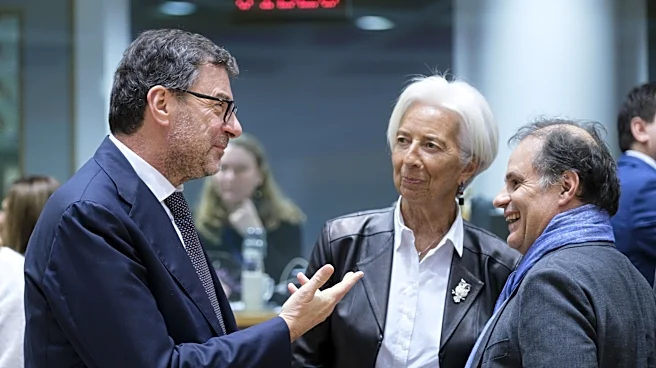
European Central Bank (ECB) chief Christine Lagarde has called for the eurozone to adapt more rapidly to climate change, citing the mounting economic costs following a summer of severe heatwaves. Europe, identified as the world's fastest-warming continent,
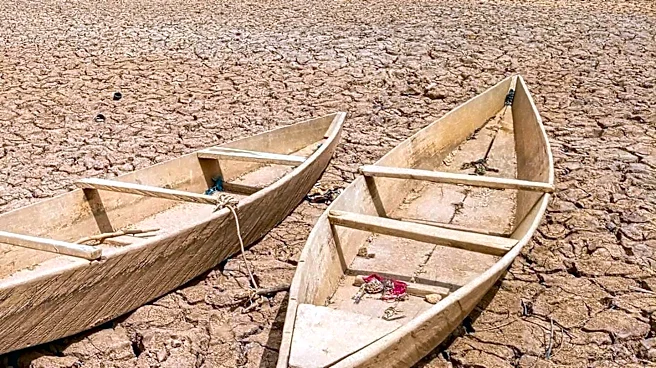
experienced record temperatures, droughts, and wildfires, leading to tens of thousands of excess deaths. These events impacted economies through reduced agricultural production and disrupted goods transport due to low river levels. Lagarde, in a blog post, described the heatwaves as a 'human and environmental tragedy' and warned that while their immediate economic impact has been limited, the long-term costs of climate change are rising, making future shocks harder to absorb. She highlighted that economic activity in affected regions is estimated to be 1.5 percent lower two years after a heatwave and three percent lower four years after a drought, primarily due to decreased productivity and population relocation. Lagarde emphasized the need for better protection against the financial fallout of climate change and a more flexible energy system that maximizes clean power utilization.
Why It's Important?
Christine Lagarde's call for accelerated climate adaptation underscores the growing recognition among central bankers of climate change as a significant economic risk. Her statements highlight that the financial implications of extreme weather events are no longer theoretical but are already manifesting in tangible economic losses, affecting productivity, agriculture, and infrastructure. The warning about rising insurance costs, energy prices, and investment decisions for European companies indicates that climate risk is becoming a critical factor in financial stability and corporate strategy. The emphasis on a more flexible energy system and upgraded power grids to better utilize renewable energy points to the necessity of substantial infrastructure investment and policy changes to transition away from fossil fuels and enhance energy resilience. This perspective from the ECB chief signals that climate action is not just an environmental imperative but an economic one, requiring urgent and coordinated efforts across the eurozone to mitigate future financial shocks and ensure long-term economic stability.
What's Next?
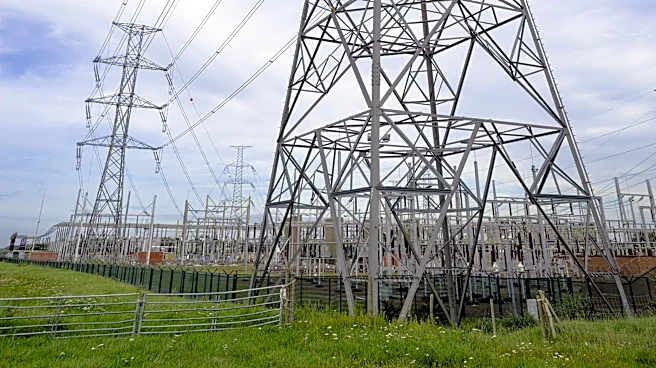
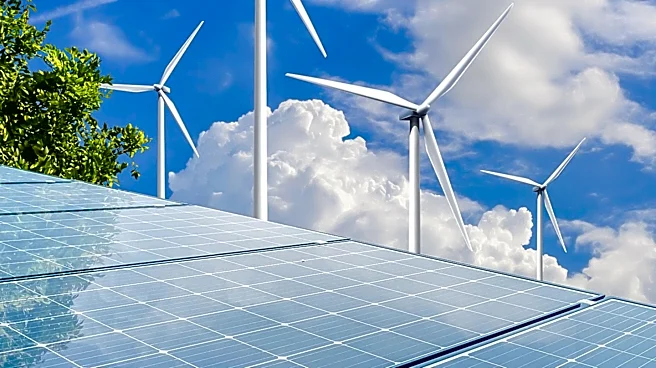
Lagarde urged Europe to better prepare for more frequent extreme weather events, commending new rules introduced by the European Union to compel member states to act. She specifically called for Europe to upgrade its power grids to more effectively integrate renewable energy sources like solar and wind, noting that current aging grids and lack of storage hinder efficient utilization. Additionally, Lagarde advocated for EU rules that would simplify the process for companies to generate their own power, such as through solar panels, and share it with the wider grid during periods of strain. These recommendations suggest a future focus on infrastructure development, regulatory reform, and increased investment in renewable energy technologies. The European Union's response to these calls will likely involve policy adjustments aimed at enhancing energy independence, improving grid resilience, and fostering decentralized energy generation to better withstand the economic impacts of climate change.
Beyond the Headlines
The ECB chief's strong stance on climate change adaptation extends beyond immediate economic concerns, touching upon deeper systemic vulnerabilities within the European economy. The acknowledgment that only about a quarter of catastrophe losses in Europe have historically been insured highlights a significant protection gap, suggesting a potential for widespread financial instability in the face of escalating climate disasters. Lagarde's implicit call for an EU-level public-private reinsurance scheme, as mentioned in related discussions, points to a fundamental shift in how climate risk is managed and financed, potentially leading to innovative financial instruments and cross-border collaborations. This also raises ethical questions about equitable burden-sharing and the role of public funds in de-risking climate-vulnerable sectors. The push for decentralized energy generation and grid modernization could also empower local communities and businesses, fostering a more resilient and distributed energy landscape, but also posing challenges for centralized energy planning and regulation. Ultimately, these developments could reshape the relationship between financial institutions, governments, and the private sector in addressing the existential threat of climate change.