




What's Happening?
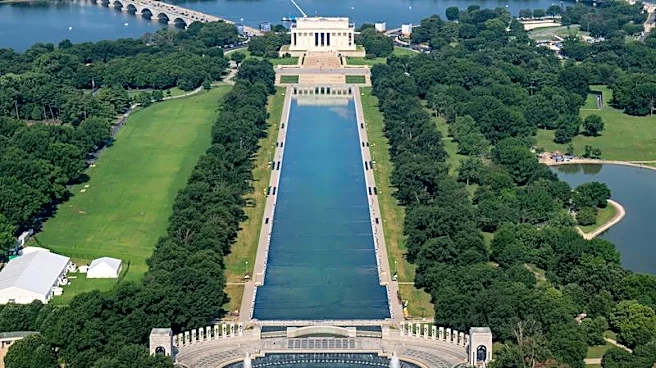
President Trump's ambitious construction and renovation projects in Washington, D.C., aimed at revitalizing the capital for the nation's 250th anniversary, are facing significant legal and public scrutiny. The projects include renovations to the Reflecting
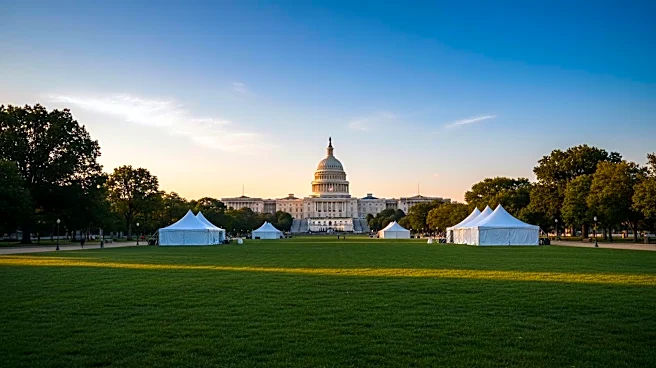
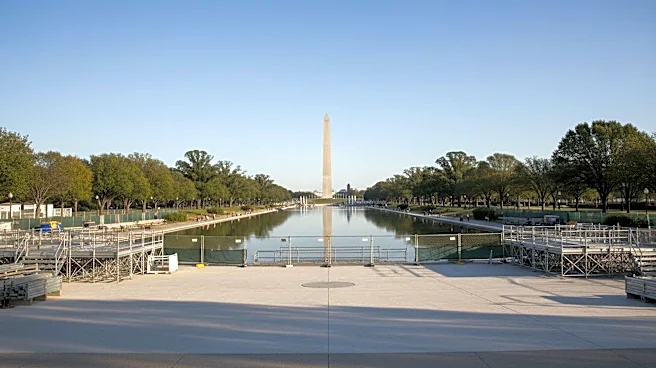
Pool, the Kennedy Center, and the proposed 'National Garden of American Heroes.' These efforts have been met with lawsuits from organizations like the Cultural Landscape Foundation, which argue that the Trump administration is bypassing standard federal review processes. The construction has led to widespread disruption in the city, with many iconic sites wrapped in fencing and scaffolding, causing disappointment among tourists and residents. Despite these challenges, the administration claims improvements have been made, such as the removal of homeless encampments and the repair of public amenities.
Why It's Important?
The construction projects in Washington, D.C., under President Trump's direction, highlight the tension between development ambitions and regulatory compliance. The legal challenges underscore concerns about the preservation of historical and cultural sites, as well as the adherence to established planning processes. The outcome of these projects could set precedents for how future federal developments are managed, potentially impacting urban planning and heritage conservation. Additionally, the public's reaction to the disruptions caused by these projects reflects broader sentiments about government transparency and accountability. The projects' success or failure could influence public opinion and political dynamics in the capital.
What's Next?
The future of President Trump's construction projects in Washington remains uncertain, with ongoing legal battles likely to delay or alter the plans. The administration may need to address the lawsuits and comply with federal review processes to proceed. Public and political reactions will continue to shape the discourse around these projects, potentially influencing future urban development policies. The National Park Service aims to reopen affected areas by July 4, but meeting this deadline is uncertain. The administration's ability to navigate these challenges will be crucial in determining the projects' completion and their impact on the capital's landscape.
Beyond the Headlines
Beyond the immediate legal and logistical challenges, the construction projects in Washington raise questions about the balance between modernization and historical preservation. The projects could lead to long-term shifts in how federal developments are approached, emphasizing the need for transparent and inclusive planning processes. The cultural and ethical implications of altering iconic sites also warrant consideration, as they reflect broader societal values regarding heritage and progress. The administration's approach to these projects may influence future debates on urban development and the role of government in shaping public spaces.