





What's Happening?
Sudan is grappling with a severe humanitarian crisis, with projections indicating that 825,000 children under the age of five will suffer from severe acute malnutrition in 2026, marking a 7% increase from the previous year. This dire situation is exacerbated
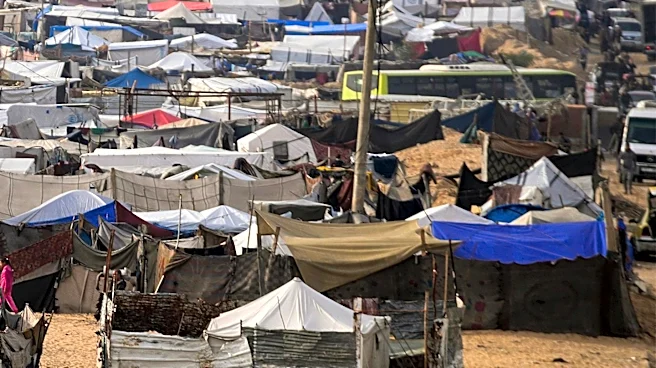
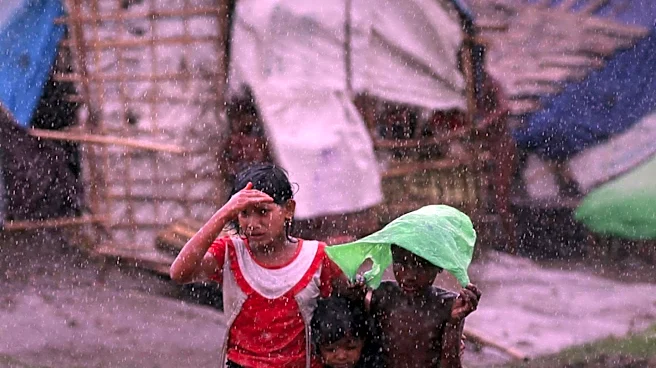
by an ongoing conflict between the Sudanese Armed Forces and the paramilitary Rapid Support Forces, which began in April 2023. UNICEF and its partners treated 174,700 children for severe acute malnutrition in the first half of 2026. Hospitals, such as one in Port Sudan, are overwhelmed, with 433 cases of child malnutrition recorded from January to August, often leading to multiple children sharing a single bed. Medical staff attribute the worsening conditions to inadequate nutrition among pregnant women, widespread population displacement, and economic hardship. The crisis is particularly acute in Darfur, where fighting, hunger, and disease have intensified, with UNICEF reporting at least 40,000 malnutrition cases in North Darfur from January to May 2025. The Integrated Food Security Phase Classification (IPC) also warns of increased hunger risks in Greater Darfur and Greater Kordofan.
Why It's Important?
The escalating malnutrition crisis in Sudan highlights the devastating impact of prolonged conflict combined with environmental factors on vulnerable populations, particularly children. The projected increase in severe acute malnutrition cases underscores a deepening humanitarian catastrophe that could have long-term consequences for Sudan's future generation, including impaired physical and cognitive development. The strain on healthcare infrastructure, with hospitals operating beyond capacity, signifies a collapse in essential services, making it difficult to address the immediate health needs of the population. The interplay of conflict, displacement, and economic hardship creates a complex emergency where food insecurity is not just a result of drought but also a weapon of war and a symptom of systemic breakdown. This situation demands urgent international attention and humanitarian aid to prevent further loss of life and to mitigate the long-term societal damage.
What's Next?
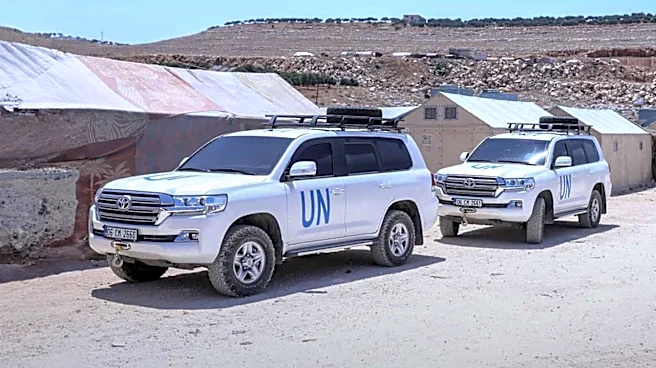
The immediate future for Sudan involves continued efforts by humanitarian organizations like UNICEF and the World Health Organization to provide therapeutic milk and nutritional supplies. However, the financial burden of intravenous solutions and medicines remains a significant challenge for families. The IPC's warnings of increasing hunger risks in regions like Greater Darfur and Greater Kordofan suggest that food security will continue to deteriorate, especially with weak vegetation growth threatening harvests and driving up food prices. Without a cessation of hostilities and substantial international intervention, the number of malnourished children is likely to rise further. Addressing the root causes, including the ongoing conflict and the effects of climate phenomena like El Niño, will be crucial for any sustainable improvement. The international community will need to increase funding and diplomatic pressure to facilitate humanitarian access and promote peace.
Beyond the Headlines
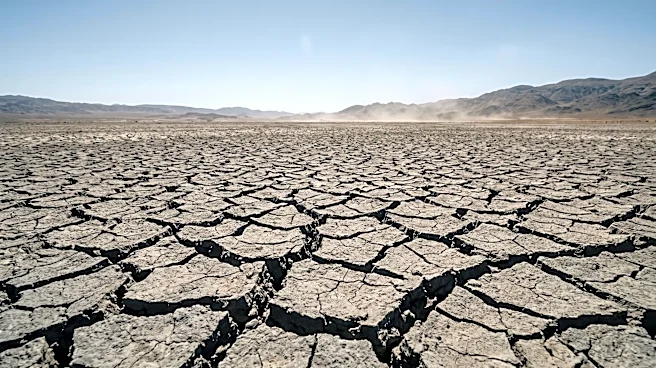
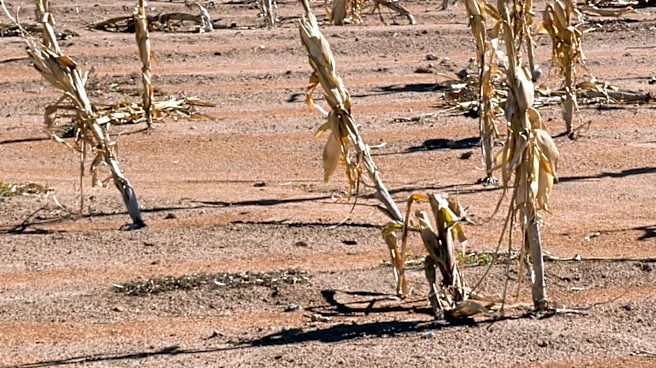
Beyond the immediate crisis, the situation in Sudan reveals deeper systemic vulnerabilities. The El Niño phenomenon, which led to reduced rainfall and drought affecting half of Sudan, exposes the country's susceptibility to climate change and its direct link to food insecurity. The conflict exacerbates these environmental challenges, turning a natural phenomenon into a full-blown humanitarian disaster. The displacement of populations not only disrupts livelihoods but also breaks down social structures and access to essential services, creating a cycle of poverty and vulnerability. The long-term implications include a generation of children with compromised health and educational prospects, which will hinder Sudan's recovery and development for decades. This crisis also underscores the ethical responsibility of the international community to protect civilians in conflict zones and to address the interconnectedness of climate, conflict, and human well-being.