




What's Happening?
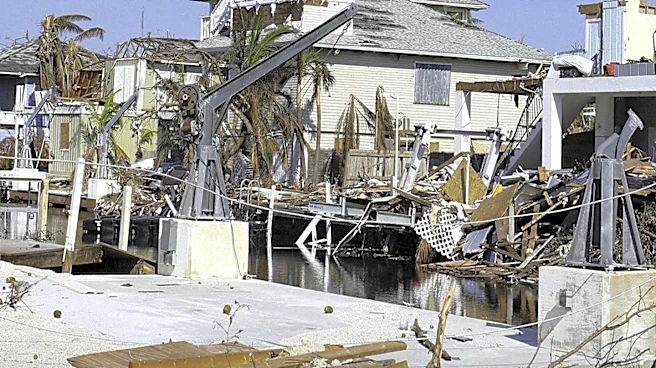
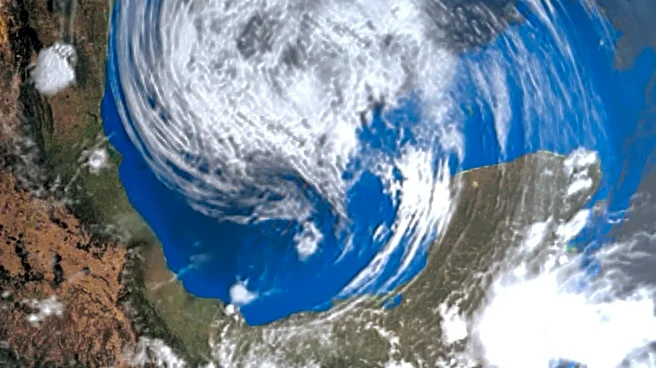
Hurricane Isaias caused significant damage to FavorHouse of Northwest Florida, a domestic abuse treatment shelter in Pensacola, forcing its closure for 19 days. The hurricane, which made landfall as a Category 2 storm, damaged the shelter's privacy fence
and caused its generator to fail, leading to spoiled food and a loss of hotline services. This incident highlights a growing concern among researchers: climate change is exacerbating domestic violence situations while simultaneously weakening the support systems for survivors. Studies indicate that extreme heat, intensified by climate change, is associated with an increased risk of intimate partner violence. Furthermore, domestic violence incidents tend to rise in areas under prolonged disaster declarations, as power dynamics shift and pressure to remain a household unit increases due to eligibility for aid.
Why It's Important?
This situation in Florida underscores a critical and often overlooked impact of climate change on vulnerable populations in the U.S. The disruption of essential services like domestic violence shelters during climate-related disasters leaves survivors without safe havens and critical support, potentially increasing their risk of harm. The link between extreme weather events, heat, and increased intimate partner violence suggests a compounding crisis that demands integrated policy responses. For the U.S., this means recognizing that climate adaptation strategies must include robust support for social services and vulnerable communities. The financial strain on these shelters, exemplified by FavorHouse's insurance deductible exceeding repair costs and significant cuts in Victims of Crime Act (VOCA) funding, further jeopardizes their ability to prepare for and recover from disasters, impacting public safety and social welfare.
What's Next?
U.S. Representatives Laurel Lee (R-Fla.) and Lucy McBath (D-Ga.) have introduced the FEMA for Safe Recovery Act, which aims to address some of these issues by requiring FEMA to train staff on gender-based violence, place victim advocates in disaster shelters, and mandate household check-ins with all adults. However, the bill's future is uncertain. State-level efforts, like Florida's expansion of victim relocation assistance, are underway but do not fully address infrastructure resilience. The ongoing budget constraints for domestic violence services, particularly the cuts to VOCA funding, will likely force many organizations to reduce programs, further straining an already vulnerable system. There will be continued advocacy for more stable and increased funding, as well as for the integration of social vulnerability assessments into disaster preparedness and climate adaptation planning.
Beyond the Headlines
The intersection of climate change and domestic violence reveals a complex layer of social injustice. Climate-induced disasters disproportionately affect those with fewer resources and support systems, intensifying existing vulnerabilities. The inability of domestic violence shelters to maintain operations during and after extreme weather events exposes systemic weaknesses in disaster response that fail to account for the unique needs of survivors. This issue extends beyond immediate physical safety to long-term psychological and economic impacts, as survivors may be trapped in abusive situations due to lack of resources or fear of losing aid. Addressing this requires a holistic approach that not only mitigates climate change but also strengthens social safety nets, ensures equitable access to resources, and recognizes the gendered impacts of environmental crises.