





What's Happening?
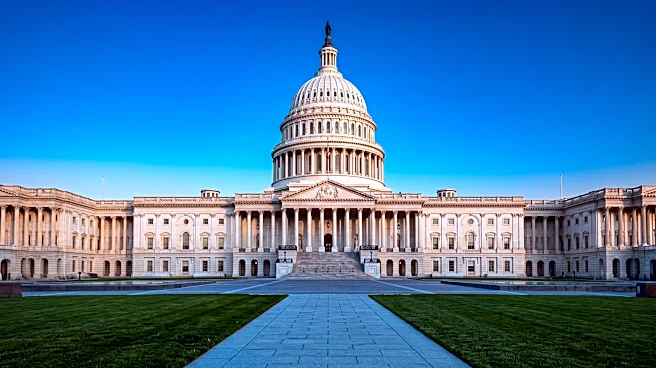
U.S. Representatives Pramila Jayapal (D-Wash.) and Joe Wilson (R-S.C.), along with Senator Cory Booker (D-N.J.), have reintroduced bipartisan legislation known as the South Asian Heart Health Awareness and Research Act. This bill aims to increase awareness,
expand research, and strengthen prevention efforts for heart disease within the South Asian American community. Studies indicate that South Asians in the U.S., including immigrants from countries like India, Pakistan, Bangladesh, Sri Lanka, and Nepal, face a fourfold higher risk of heart disease compared to the general population. The legislation would authorize the Department of Health and Human Services (HHS) to provide grants to states. These grants would fund culturally appropriate materials on nutrition, diet, and exercise, support community-run heart health programs, and finance conferences and workshops to improve research practices and include disproportionately affected communities in scientific studies. The bill also mandates the HHS secretary to report to Congress on grant activities and collected data, with funding authorized through 2028.
Why It's Important?
Heart disease is the leading cause of death in the U.S., and its disproportionate impact on the South Asian community highlights a critical public health disparity. This legislation is vital because it addresses a specific health crisis affecting a significant demographic group, which currently lacks adequate attention and resources. By focusing on culturally appropriate interventions, the bill acknowledges that generic health campaigns may not be effective for all communities. The emphasis on expanding research and disaggregating health data for South Asian Americans is crucial for understanding unique risk factors and developing targeted prevention strategies. This initiative could lead to improved health outcomes, reduce healthcare costs associated with heart disease, and promote health equity by ensuring that all communities receive tailored support. The bipartisan nature of the bill also underscores a shared recognition of this pressing health issue across political lines.
What's Next?
The South Asian Heart Health Awareness and Research Act will now proceed through the legislative process in Congress. While the bill has passed the House in multiple previous Congresses, it has yet to become law. Its reintroduction signals a renewed push by lawmakers and supporting organizations, including the American Heart Association and the South Asian Public Health Association, to secure its passage. If enacted, the HHS would begin awarding grants to states, leading to the development and implementation of new heart health programs and research initiatives specifically for South Asian communities. The bill's success would depend on gaining sufficient support in both the House and Senate and ultimately receiving presidential assent. Continued advocacy from community organizations and health professionals will be crucial in ensuring its final passage and effective implementation.
Beyond the Headlines
The disproportionate burden of heart disease on South Asian Americans, despite often having lower rates of traditional risk factors like obesity, points to deeper, less understood genetic, dietary, and lifestyle factors. This situation highlights a broader issue within public health data collection and research, where aggregated data can mask critical disparities within ethnic subgroups. The bill's call for disaggregated data is a significant step towards more precise and equitable healthcare policies. Furthermore, the focus on culturally appropriate materials and community-based programs acknowledges the importance of cultural competence in public health. This approach can serve as a model for addressing health disparities in other diverse communities, promoting a more nuanced understanding of health determinants beyond broad racial or ethnic categories and fostering trust between healthcare systems and minority populations.