



What's Happening?
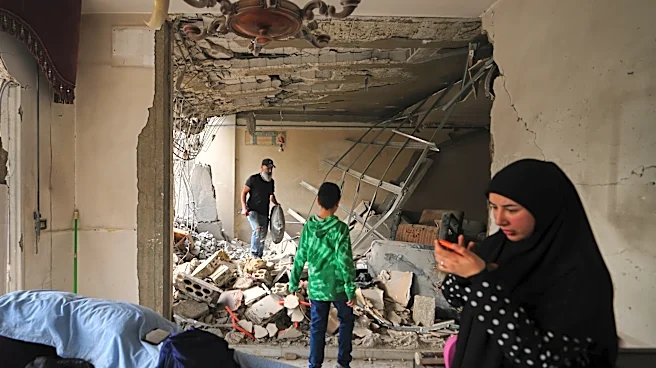
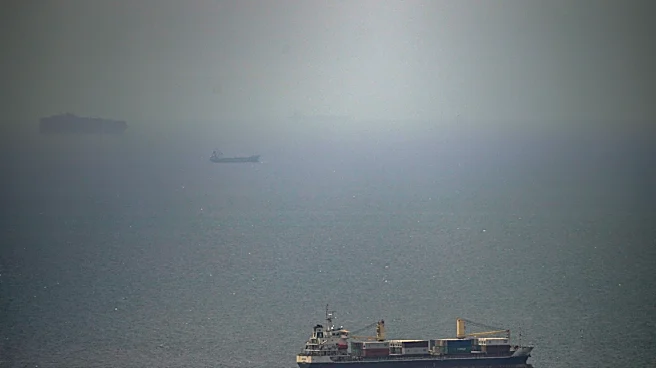
President Donald Trump convened with his national security team to discuss a new proposal concerning Iran. This meeting comes as the conflict in the region enters its ninth week, with the strategic Strait of Hormuz remaining blocked. The discussions are
part of ongoing efforts to address the stalled negotiations and find a resolution to the current impasse. Meanwhile, Iranian Foreign Minister Abbas Araghchi has met with Russian President Vladimir Putin, indicating a potential shift in diplomatic dynamics.
Why It's Important?
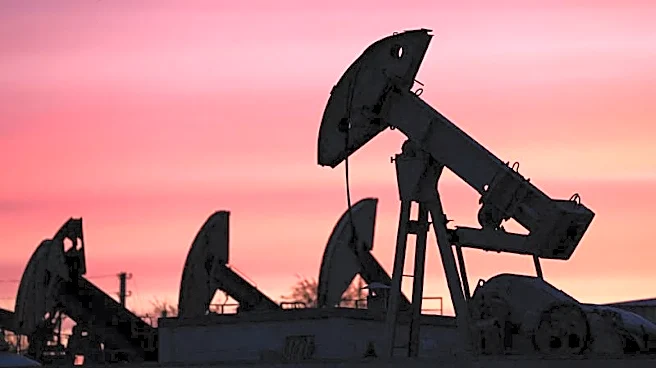
The blockage of the Strait of Hormuz, a critical chokepoint for global oil shipments, has significant implications for international energy markets and geopolitical stability. President Trump's engagement with his national security team highlights the urgency of finding a diplomatic solution to the conflict. The involvement of Russia in discussions with Iran suggests a complex international landscape where multiple powers are vying for influence. The outcome of these talks could have far-reaching effects on U.S. foreign policy and global economic conditions, particularly in the energy sector.
What's Next?
The next steps involve continued diplomatic efforts to reopen the Strait of Hormuz and de-escalate tensions in the region. The U.S. may seek to engage with other international partners to apply pressure on Iran and encourage a return to negotiations. The involvement of Russia could complicate these efforts, requiring careful navigation of international relations. The situation remains fluid, with potential for both diplomatic breakthroughs and further escalation.