





What's Happening?
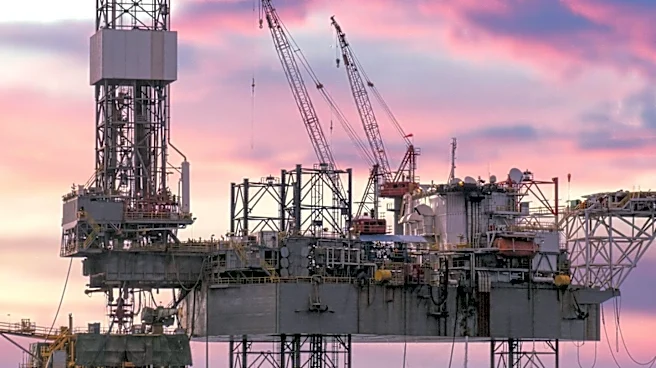
U.S. Energy Secretary Chris Wright visited the Permian Basin in Midland, Texas, to celebrate the region's booming oil and gas industry and promote the Trump administration's focus on American energy dominance. During his visit, part of the Department
of Energy’s “Great American Energy Comeback Tour,” Wright highlighted the dramatic increase in oil and gas production in the Permian Basin over the past decade. He noted that oil production has grown from less than 2 million barrels per day to over 6.5 million barrels per day, and natural gas production has increased from 4.5 billion cubic feet per day to 28 billion cubic feet per day. Wright attributed this growth to technological innovation, American workers, and policies supporting domestic energy production. He conveyed President Trump's gratitude to the energy workers and industry leaders, emphasizing that American oil and gas production strengthens energy security and allows the U.S. to provide reliable energy to allies globally. Wright also stated that the DOE would not proceed with three proposed National Interest Electric Transmission Corridors selected under the previous administration, citing concerns about costs, reliability, and local communities.
Why It's Important?
This visit and the Secretary's statements underscore the Trump administration's commitment to fossil fuel production as a cornerstone of U.S. energy policy. The celebration of the Permian Basin's growth highlights the economic benefits and energy independence derived from domestic oil and gas. Increased production contributes to lower energy costs for consumers, creates high-paying jobs, and enhances the nation's geopolitical influence by providing a stable energy supply to allies. The decision to halt certain transmission projects reflects a cautious approach to infrastructure development, prioritizing cost-effectiveness and local community impact over broad expansion. This stance could influence future energy infrastructure investments, potentially favoring localized solutions or projects with clear economic benefits. The emphasis on 'everything that works' for affordable, reliable, and secure power signals a pragmatic energy strategy that values diverse energy sources, with a strong focus on traditional fuels.
What's Next?
The Trump administration is expected to continue promoting policies that support domestic oil and gas production, aiming to further strengthen U.S. energy dominance. This includes potential regulatory frameworks that favor fossil fuel extraction and infrastructure development. The DOE's decision regarding the transmission corridors suggests a more scrutinized approach to large-scale energy projects, with future proposals likely facing rigorous evaluation based on cost, reliability, and community impact. Energy Secretary Wright's tour indicates an ongoing effort to engage with industry leaders and workers, reinforcing the administration's energy agenda. The focus on American energy production will likely remain a key theme in national energy discussions, influencing investment decisions, technological advancements, and international energy diplomacy.
Beyond the Headlines
The 'American Energy Comeback' narrative extends beyond mere production figures; it represents a broader ideological stance on energy policy that prioritizes economic growth and national sovereignty through resource utilization. This approach contrasts with policies that emphasize a rapid transition to renewable energy, highlighting a fundamental divergence in environmental and economic philosophies. The focus on the Permian Basin also underscores the regional economic powerhouses within the U.S. and their significant influence on national policy. The debate over transmission projects touches on the complex balance between national energy needs, local community concerns, and environmental considerations. This ongoing tension will shape the future of U.S. energy infrastructure, potentially leading to innovative solutions that integrate diverse energy sources while addressing local impacts and economic viability. The administration's stance could also impact global energy markets, as increased U.S. production influences supply and pricing dynamics worldwide.