


What's Happening?
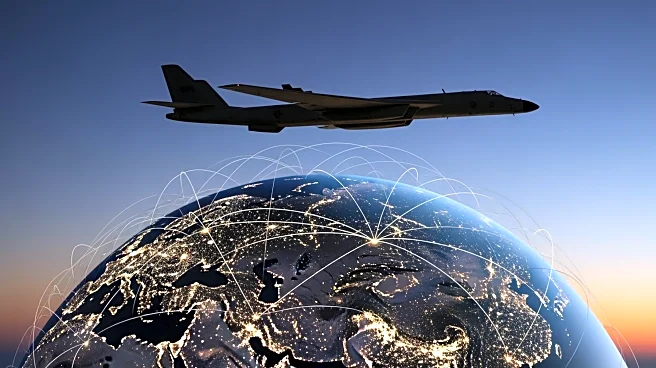
The U.S. Air Force has been actively deploying its Bomber Task Force globally, with recent missions involving B-52H and B-1B bombers in strategic locations such as Guam, Japan, and Europe. These deployments are part of a broader strategy to project power
and deter aggression from nations like China, North Korea, and Russia. The Bomber Task Force aims to reassure allies and demonstrate the U.S.'s commitment to regional security. The deployments have been ongoing since 2018, with the latest involving missions in the Indo-Pacific and Europe, underscoring the U.S.'s strategic military presence worldwide.
Why It's Important?
The deployment of the Bomber Task Force is significant as it reinforces the U.S.'s military readiness and commitment to its allies, particularly in regions facing geopolitical tensions. By maintaining a visible military presence, the U.S. aims to deter potential adversaries and reassure allies of its support. This strategy is crucial in maintaining the balance of power, especially in areas like the Indo-Pacific and Europe, where tensions with China, North Korea, and Russia are prevalent. The deployments also provide critical training opportunities for U.S. forces, enhancing their operational capabilities.
What's Next?
The U.S. military is expected to continue its bomber deployments in the coming year, potentially increasing its presence in regions like the Caribbean amid ongoing tensions. These deployments will likely involve further collaboration with allies, enhancing joint operational capabilities and readiness to respond to any potential crises. The continuation of these missions will be closely watched by global powers, as they reflect the U.S.'s strategic priorities and military commitments.