






What's Happening?
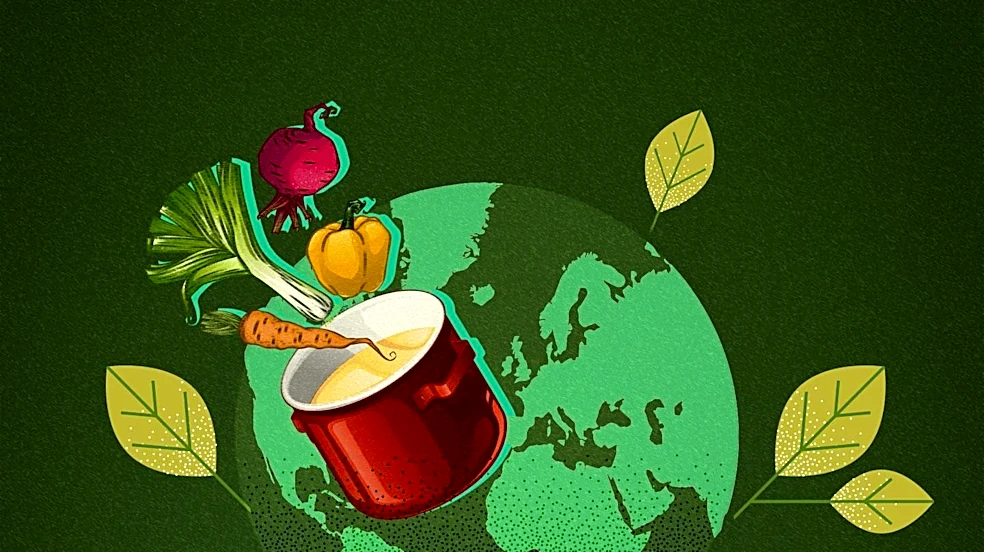
EARTHDAY.ORG, the Washington, D.C.-based organization responsible for the annual Earth Day observance, has initiated its 'Food for Our Planet' campaign, setting it as the theme for Earth Day 2027. The multiyear initiative aims to encourage 10 million
people to adopt more plant-based diets and expand plant-based food options in educational institutions. The campaign, unveiled at the World Food Forum in Rome, will run through various events, educational programs, and community actions coordinated with EARTHDAY.ORG's extensive network of over 150,000 partners across more than 192 countries. The campaign is structured around three pillars: Healthy People, Healthy Soils, and Healthy Futures, with specific targets including a 30% reduction in harmful chemicals, plastics, and microplastics in food by 2040, and moving 100 million acres of farmland to regenerative practices. The organization also advocates for mandatory labeling of all ultra-processed foods.
Why It's Important?
This campaign is significant as it directly addresses the environmental and public health impacts of the current food system, particularly industrial animal agriculture and the prevalence of processed foods. By promoting plant-based diets and advocating for policy changes, EARTHDAY.ORG aims to shift consumer behavior and corporate practices towards more sustainable and healthier alternatives. The focus on mandatory labeling of ultra-processed foods could have a substantial impact on the food industry, including plant-based meat and dairy producers, many of whose products are currently classified as ultra-processed. This could lead to increased scrutiny and potential reformulation efforts across the sector. The initiative also highlights the growing influence of environmental organizations in shaping food policy and consumer choices, potentially driving innovation in sustainable food production and ingredient sourcing.
What's Next?
EARTHDAY.ORG plans to collaborate with educators, students, farmers, mayors, and faith-based organizations to push for changes in food policy, increase demand for healthier alternatives, and hold governments and corporations accountable. The campaign will continue through Earth Day 2027, with ongoing events and educational programs designed to reach a broad audience. The advocacy for mandatory ultra-processed food labeling will likely spark debates within the food industry and among policymakers, potentially leading to new regulations or industry standards. Companies, including those in the plant-based sector, may need to adapt their product formulations and marketing strategies to align with evolving consumer preferences and potential labeling requirements. The success of the campaign will depend on its ability to mobilize public support and influence legislative action, potentially leading to a more transparent and sustainable food system.
Beyond the Headlines
The 'Food for Our Planet' campaign touches upon deeper implications concerning the ethical and environmental responsibilities of food production and consumption. The debate around ultra-processed food labeling, particularly as it pertains to plant-based alternatives, raises questions about how 'healthy' and 'sustainable' are defined and regulated. While plant-based foods are often lauded for their environmental benefits, their processing levels can be a point of contention. This campaign could accelerate a broader societal conversation about the true cost of food, encompassing not just price but also environmental impact, public health, and ethical considerations. It may also drive further research and development into less processed, more natural plant-based alternatives, pushing the industry beyond simple meat and dairy substitutes towards whole-food plant-based options. The emphasis on regenerative agriculture also signals a shift towards holistic ecological approaches in food production.