








What's Happening?
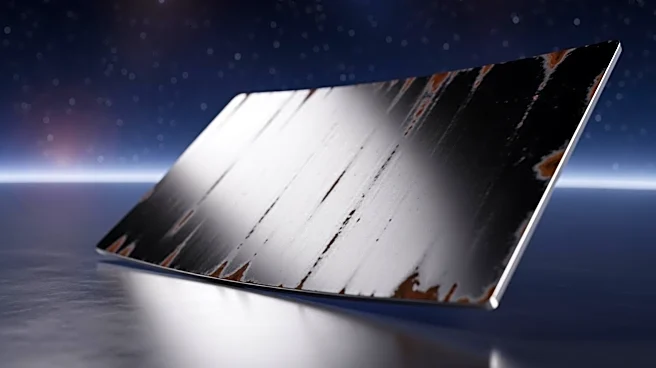
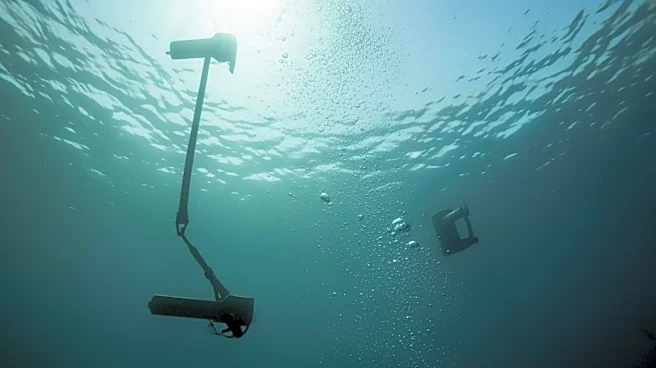
During the recent Artemis 2 lunar mission, US Navy divers captured stunning underwater images of the Orion capsule's return to Earth. These images, taken at the splashdown site, provide a unique perspective on the mission's conclusion. The photographs
serve a dual purpose: they are both visually striking and scientifically valuable, allowing experts to assess the performance of the capsule's heat shield. The heat shield, crucial for protecting the crew during reentry, showed promising results, with ceramic tiles performing as expected. This follows concerns from the Artemis 1 mission in 2022, where the heat shield sustained significant damage.
Why It's Important?
The successful performance of the heat shield on Artemis 2 is a critical milestone for NASA's Artemis program, which aims to return humans to the moon by 2028. The underwater imagery not only provides a new angle for scientific analysis but also enhances public engagement with the mission. The data collected will inform future missions, ensuring the safety and reliability of spacecraft reentry systems. This development is crucial for the continued progress of lunar exploration and the broader goals of human spaceflight.
What's Next?
NASA will continue to analyze the data from the Artemis 2 mission, focusing on the heat shield's performance and other technical aspects. The findings will guide preparations for the upcoming Artemis 3 mission, which faces challenges such as the recent setback with Blue Origin's New Glenn rocket. The Federal Aviation Administration's investigation into the rocket's failure will be closely watched, as it impacts the timeline and logistics of future Artemis missions. NASA's ongoing efforts will be crucial in achieving the goal of a sustainable human presence on the moon.