







What's Happening?
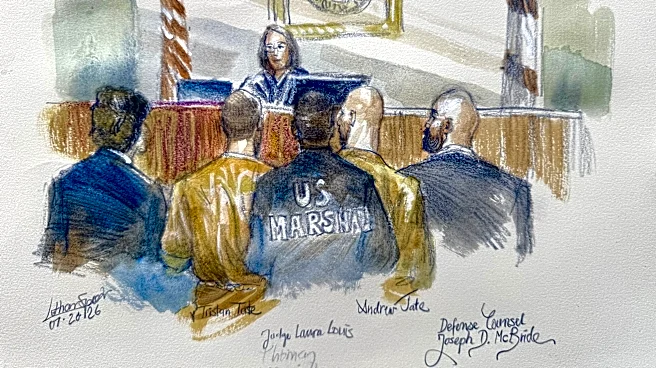
Pamela Smart appeared virtually in a New Hampshire court as her legal team argued for a new trial, claiming jury bias due to inaccurate transcripts of audio recordings used during her original trial. These transcripts allegedly included words not audible
on the recordings, which her attorneys argue could have influenced the jury's decision. The state has countered that the claims are not new and have been previously addressed. The hearing aims to determine if there is sufficient ground for an evidentiary hearing to further explore these claims.
Why It's Important?
This case is significant as it revisits a high-profile murder trial from the 1990s that captivated national attention. The outcome of this hearing could impact legal standards regarding evidence presentation and jury instructions in future cases. It also raises questions about the influence of media coverage on legal proceedings and the potential for bias in high-profile cases. The decision could have broader implications for how courts handle claims of jury bias and the use of transcripts in trials, potentially affecting future legal strategies and appeals.
What's Next?
The judge is expected to make a decision on whether to grant an evidentiary hearing within the next 30 to 60 days. If granted, this could lead to a re-examination of the evidence and potentially a new trial for Pamela Smart. The legal team will continue to push for a new trial, while the state will defend the original conviction. The decision will be closely monitored by legal experts and the public, given the case's historical significance and the potential implications for similar cases involving claims of jury bias and evidence presentation.