









What's Happening?
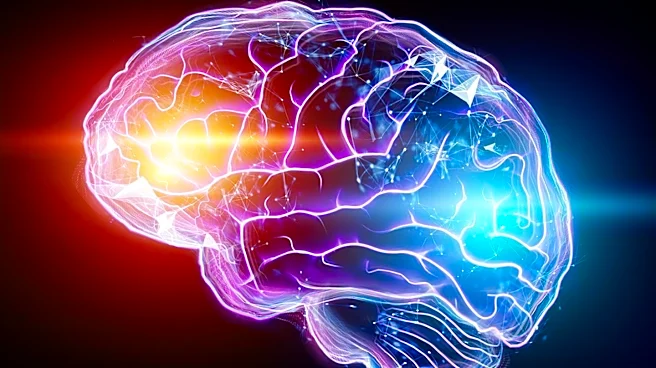
Researchers have made a significant breakthrough in understanding and potentially treating Huntington's disease by using optogenetics to activate specific neurons in the brain. The study, published in Nature, focused on vasoactive intestinal peptide (VIP)
neurons, which are crucial for learning and brain plasticity. In a mouse model of Huntington's disease, activating these neurons restored normal brain activity patterns and improved motor learning abilities. This approach suggests that targeting specific brain circuits can alleviate symptoms of complex neurodegenerative diseases, offering a new therapeutic avenue for conditions like Huntington's.
Why It's Important?
This research is pivotal as it provides a new understanding of how Huntington's disease affects brain function and offers a potential treatment strategy. By focusing on specific neurons, the study highlights the possibility of restoring brain function even in advanced neurodegenerative conditions. This could lead to new therapies that improve quality of life for patients with Huntington's and similar diseases. The findings also emphasize the importance of precise interventions in brain circuitry, which could revolutionize treatment approaches for various neurological disorders, moving towards more targeted and effective therapies.
What's Next?
Future research will likely explore the application of this optogenetic approach in human trials, assessing its safety and efficacy in treating Huntington's disease. Researchers may also investigate whether similar strategies can be applied to other neurodegenerative conditions. The development of non-invasive methods to activate specific brain circuits could enhance the practicality of this treatment. As the understanding of brain circuitry in neurodegenerative diseases improves, new therapeutic targets may emerge, potentially leading to breakthroughs in managing and treating these complex conditions.