



What's Happening?
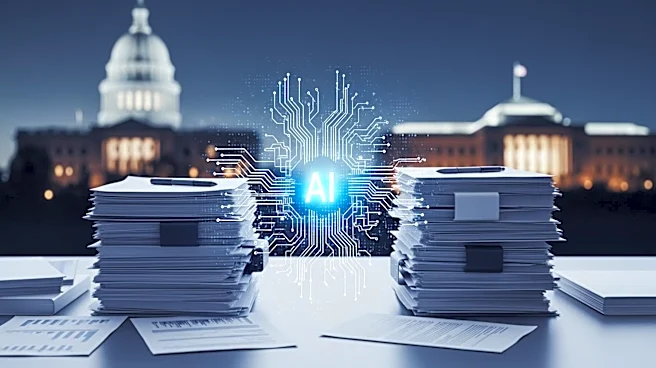
The U.S. Equal Employment Opportunity Commission (EEOC) has removed its AI employment guidance from its website, a move that has left a gap in federal guidance on AI-related employment discrimination. This removal is part of a broader rollback of Biden-era
policies following Executive Order 14179. Despite the removal, the EEOC's Strategic Enforcement Plan for FY 2024-2028 still lists technology-related employment discrimination as a priority. In the absence of federal guidance, four states—California, Illinois, Texas, and Colorado—have enacted their own AI employment laws, each with different legal standards for liability. These state laws address issues such as disparate impact, vendor liability, and reasonable care standards for AI systems.
Why It's Important?
The removal of federal guidance on AI in employment highlights a significant shift in regulatory focus and leaves employers without a unified federal framework to follow. This creates a complex legal landscape where businesses must navigate varying state laws, potentially increasing compliance costs and legal risks. The differing state standards could lead to inconsistent enforcement and protection for workers across the country. Employers using AI in hiring must now ensure compliance with multiple state regulations, which may involve disparate impact assessments, vendor due diligence, and adherence to specific state-imposed obligations.
What's Next?
Employers will need to closely monitor developments in state legislation and court cases, such as Mobley v. Workday, which could set precedents for AI vendor liability. The lack of federal guidance may prompt more states to develop their own regulations, further complicating the compliance landscape. Businesses may also look to frameworks like the NIST AI Risk Management Framework to guide their AI governance practices. The ongoing legal and regulatory developments will require companies to stay vigilant and proactive in managing AI-related risks in employment.