



What's Happening?
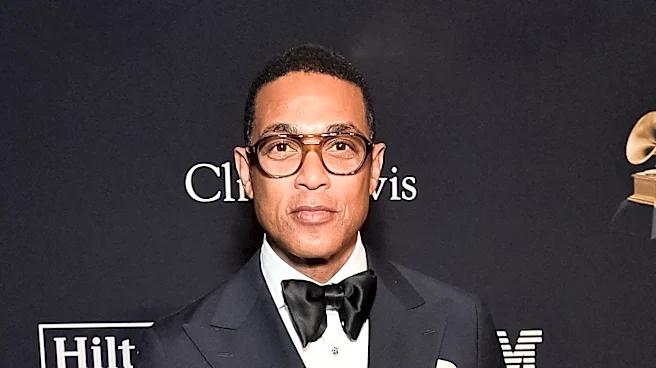
A coalition of 45 media organizations, including The Associated Press, The New York Times, and The Washington Post, has formally requested a federal judge in Minnesota to dismiss criminal charges against journalists Don Lemon and Georgia Fort. The journalists were
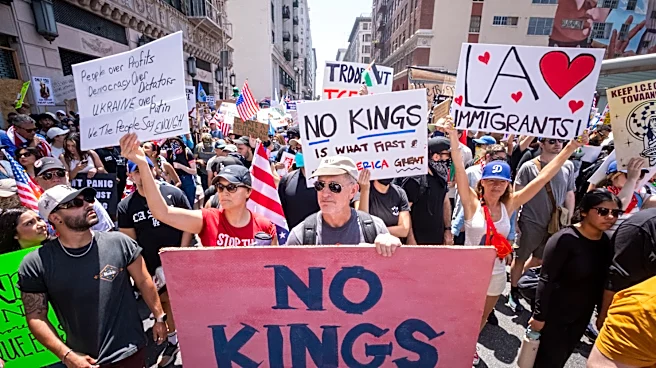
charged by the Department of Justice under the Freedom of Access to Clinic Entrances (FACE) Act and a Reconstruction-era law prohibiting conspiracies to deprive people of federally protected rights. Lemon and Fort were covering a protest at Cities Church in St. Paul on January 18, 2026, following the killing of Renee Nicole Good by an ICE officer. Demonstrators interrupted a worship service after discovering one of the church's pastors was an acting director for an Immigration and Customs Enforcement field office. Prosecutors allege the journalists interfered with worshippers' religious rights, while Lemon and Fort maintain they were engaged in routine newsgathering. Both journalists have pleaded not guilty.
Why It's Important?
This case is significant as it challenges the boundaries of journalistic protection and could set a precedent for how newsgathering activities are treated under federal law. The media coalition argues that the prosecution represents government overreach and an attempt to criminalize routine reporting, potentially making journalists criminally responsible for the actions of the people they cover. The outcome could impact the ability of reporters to document protests and other public events without fear of legal repercussions, thereby affecting the public's right to information. The charges were brought despite a federal magistrate initially declining to approve them due to a lack of probable cause, and the White House reportedly celebrated Lemon's arrest, raising concerns about political motivations behind the prosecution. This situation highlights the tension between government authority and press freedom, particularly in politically charged environments.
What's Next?
U.S. District Judge Laura M. Provinzino will now consider the motion filed by the media coalition, as well as separate dismissal motions filed by Lemon and Fort, which argue that the prosecution violates the First Amendment. The judge's decision will be crucial in determining whether the case proceeds to trial or is dismissed. If the charges are not dismissed, the journalists will face a trial, which could further clarify the legal interpretation of newsgathering activities in the context of federal laws like the FACE Act. The media organizations are urging the court to establish a clear distinction between documenting a protest and participating in a criminal conspiracy, emphasizing that the absence of such a line could force reporters to choose between informing the public and protecting themselves from prosecution.
Beyond the Headlines
The prosecution of Don Lemon and Georgia Fort raises profound questions about the role of the press in a democratic society and the potential for legal frameworks to be weaponized against journalists. The use of the FACE Act and a Reconstruction-era law, typically applied to prevent interference with civil rights, against reporters covering a protest suggests a broader effort to control narratives and suppress unfavorable reporting. This case could contribute to a chilling effect on investigative journalism, particularly concerning sensitive topics like immigration and law enforcement. It also underscores the importance of press freedom as a cornerstone of democracy, where the ability of journalists to independently report on events, even controversial ones, is essential for public accountability and informed civic discourse. The outcome will likely influence future interactions between law enforcement, the judiciary, and the media, potentially reshaping the landscape of journalistic practice in the United States.