






What's Happening?
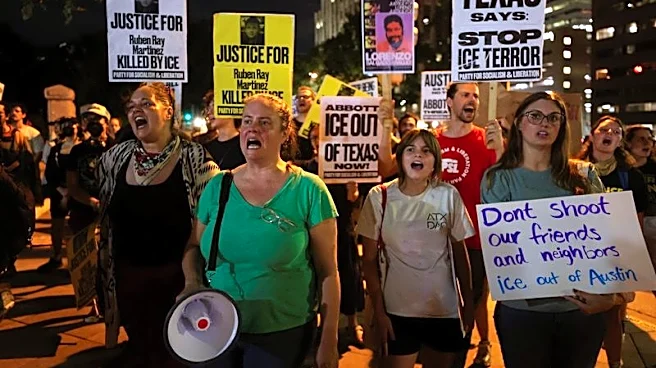
U.S. Immigration and Customs Enforcement (ICE) has ceased publicly disclosing the locations of thousands of detainees who have received final deportation orders. This unannounced policy change, implemented on September 15, has made it significantly more
challenging for lawyers and family members to locate these individuals. The move was confirmed by current and former ICE officials who spoke anonymously and has been noted by immigration lawyers whose clients have disappeared from the online detainee locator system. The American Immigration Lawyers Association has issued a warning to its members regarding this development. This practice marks a departure from previous procedures and is seen as part of the Trump administration's stringent immigration enforcement approach. The change primarily affects detainees with final removal orders from an immigration court, potentially accelerating deportations by complicating last-minute legal challenges. Nearly 16,000 individuals arrested and booked into ICE detention in July had final removal orders, representing over a third of total bookings, according to data from the Deportation Data Project.
Why It's Important?
This policy shift has significant implications for due process and legal representation within the U.S. immigration system. By obscuring the locations of detainees, ICE is making it harder for individuals to exercise their legal options, including challenging their detention or removal. Lawyers are finding it difficult to maintain contact with their clients, which can impede the attorney-client relationship and the ability to file appeals or habeas petitions. Families are experiencing distress due to the inability to locate their loved ones, fearing they may have been deported without notice. The Department of Homeland Security argues that individuals with final removal orders have already received due process. However, immigration advocates contend that even those with final orders may have avenues to reopen their cases or seek release on constitutional grounds. The lack of transparency could lead to more rapid deportations, potentially without full consideration of all legal protections, including those for individuals facing torture or persecution in their home countries.
What's Next?
The immediate consequence of this policy is increased difficulty for immigration lawyers and family members to track and assist detainees. Legal challenges to this new practice are likely to emerge, as organizations like the American Immigration Lawyers Association and the American Civil Liberties Union have already voiced concerns. The policy could lead to a surge in deportations, as the ability to file last-minute legal interventions is severely hampered. Stakeholders, including civil rights groups and immigration advocates, are expected to continue to pressure ICE for greater transparency and to challenge the legality of withholding detainee location information. The long-term impact could include a reevaluation of the online detainee locator system's purpose and functionality, potentially leading to legislative or judicial actions to ensure access to information for detainees and their legal representatives.
Beyond the Headlines
This development raises profound ethical and legal questions about transparency and due process within the U.S. immigration system. Critics argue that concealing detainee locations is akin to 'disappearing people,' a practice often associated with authoritarian regimes, and undermines fundamental individual rights. The move could exacerbate existing concerns about the fairness and accessibility of immigration courts, particularly given recent steps to make it harder for immigrants to participate in hearings and reopen cases. The policy also highlights the ongoing tension between national security and border enforcement priorities and the protection of civil liberties. The precedent set by this action could have lasting effects on how the U.S. government manages and communicates information about individuals in its custody, potentially influencing future policies regarding transparency in other federal agencies.