





What's Happening?
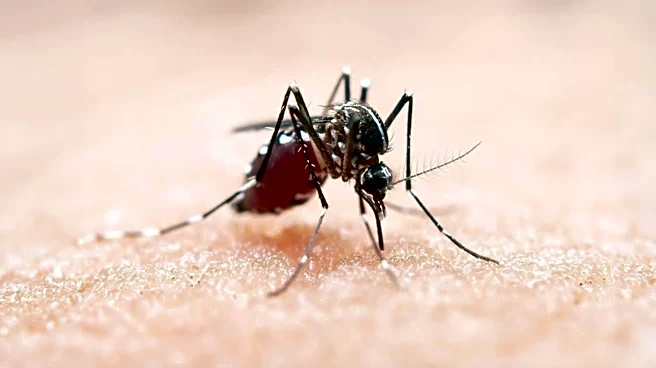
Mississippi is experiencing a continued decrease in West Nile Virus cases, a trend that Gregg Flynn of the state's department attributes to several factors. One significant reason cited is the reduced rainfall this year, which has led to fewer stagnant
water sources where mosquitoes typically breed. This environmental condition has naturally limited mosquito populations. Despite the decrease, Flynn emphasizes that the virus remains a risk, and mosquitoes will be present until winter temperatures arrive. The Centers for Disease Control and Prevention (CDC) states that approximately 80% of individuals infected with West Nile Virus show no symptoms. For those who do, symptoms can include fever, joint or body aches, nausea, and vomiting. Individuals with compromised immune systems are particularly vulnerable to more severe illness.
Why It's Important?
The reduction in West Nile Virus cases in Mississippi highlights the critical role environmental factors, specifically rainfall patterns, play in public health outcomes related to mosquito-borne diseases. A decrease in cases alleviates pressure on the healthcare system and reduces public health expenditures associated with surveillance, testing, and treatment. For residents, fewer cases mean a lower risk of infection, particularly for vulnerable populations such as those with compromised immune systems. This situation underscores the importance of environmental monitoring and public awareness campaigns regarding mosquito breeding grounds and personal protection measures. The insights gained from Mississippi's experience could inform public health strategies in other regions facing similar challenges with mosquito-borne illnesses, emphasizing proactive environmental management as a key component of disease prevention.
What's Next?
As temperatures are expected to drop with the onset of winter, mosquito activity will naturally decline, further reducing the risk of West Nile Virus transmission. However, public health officials like Gregg Flynn will continue to monitor mosquito populations and virus activity. Residents are advised to remain vigilant until colder weather fully sets in, continuing to take preventative measures such as using insect repellent, wearing protective clothing, and eliminating standing water around their homes. Future public health campaigns may focus on educating the public about the link between environmental conditions and mosquito breeding, encouraging community-wide efforts to manage potential breeding sites. Medical professionals will also continue to be encouraged to test for West Nile Virus in patients presenting with relevant symptoms, especially those with underlying health conditions.
Beyond the Headlines
The situation in Mississippi offers a broader perspective on the complex interplay between climate, environment, and public health. The observed decrease in West Nile Virus cases due to reduced rainfall could be a temporary reprieve, as climate change models predict more erratic weather patterns, including periods of intense drought followed by heavy rainfall, which could create new challenges for mosquito control. This highlights the need for adaptive public health strategies that can respond to fluctuating environmental conditions. Furthermore, the emphasis on individual preventative measures, such as eliminating standing water and using repellents, underscores the ongoing importance of community engagement and personal responsibility in disease prevention. The long-term implications suggest that understanding and mitigating the environmental factors that favor mosquito proliferation will be crucial for sustained public health security against vector-borne diseases.