



What's Happening?
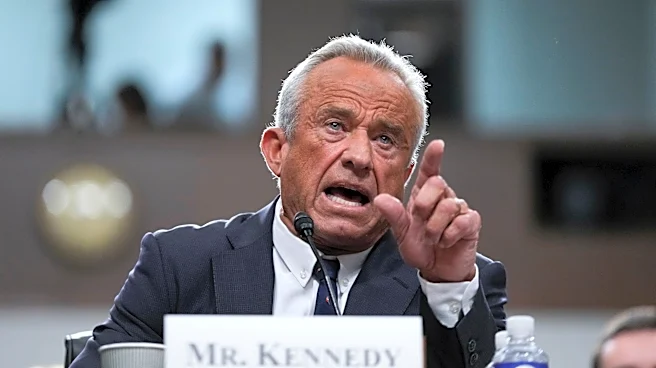
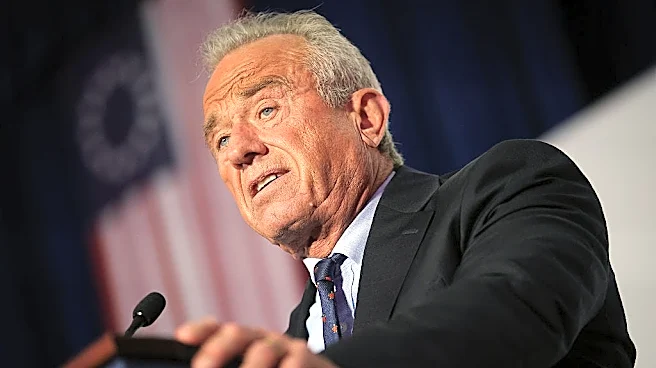
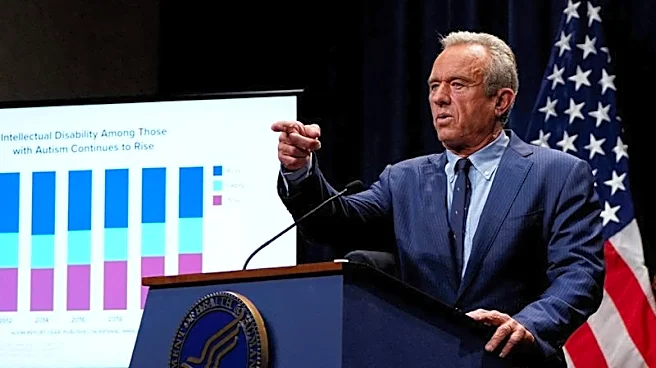
Newly obtained documents, including a letter from U.S. Health Secretary Robert F. Kennedy Jr. to the Samoan prime minister, contradict his previous testimony to Congress regarding the purpose of his 2019 visit to Samoa. Kennedy had repeatedly stated that
his trip had 'nothing to do with vaccines' during his confirmation hearings. However, the letter, dated January 20, 2019, explicitly requests to study Samoa's measles, mumps, and rubella (MMR) vaccines following the deaths of two children who had received them. Kennedy, then chair of the anti-vaccine organization Children's Health Defense (CHD), proposed that his team conduct a 'detailed health informatics assessment' of what happened with Samoa's MMR vaccines. This directly refutes his claims to lawmakers, including Senator Ron Wyden and Senator Edward Markey, that his purpose was to introduce a medical informatics system to digitalize records and make health delivery more efficient, and that he did not intend to meet with anti-vaccine activists.
Why It's Important?
This revelation is significant because it raises serious questions about the veracity of Health Secretary Kennedy's statements to Congress during his confirmation process. Knowingly providing false testimony to Congress, even if not under oath, can have severe consequences, including potential criminal charges, though such prosecutions are rare. The discrepancy between his public statements and the newly revealed documents could undermine public trust in his leadership at the Department of Health and Human Services (HHS) and in the administration's health policies. Furthermore, Kennedy's 2019 visit to Samoa, which occurred before a deadly measles outbreak that killed 83 people, mostly children, has been criticized by public health experts for fueling anti-vaccine sentiment in the nation. This new evidence reinforces concerns that his actions contributed to a decline in vaccination rates, making the population more vulnerable to the outbreak. The situation also highlights the challenges faced by lawmakers in vetting nominees, particularly when information provided during hearings is later contradicted by evidence.
What's Next?
The new documents could prompt further scrutiny from Congress, particularly if Democrats regain control of the Senate in upcoming elections. Senator Ron Wyden has already indicated that if Democrats retake the Senate, the committee will hold Kennedy accountable for 'endangering American families' and that there are 'consequences for lying to Congress.' This could lead to new hearings, investigations, or other legislative obstacles for Kennedy. The Department of Health and Human Services has defended Kennedy, stating that any claim of him lying under oath or to Congress is 'false and outright defamatory,' and that the Samoa visit was 'unrelated to vaccines.' However, the direct evidence from Kennedy's own letter will likely intensify the debate. The White House has not yet responded to requests for comment. The ongoing controversy could impact Kennedy's ability to effectively lead HHS and implement his policy agenda, especially concerning vaccine-related initiatives.
Beyond the Headlines
This situation delves into the broader issue of accountability and transparency in government, particularly when high-ranking officials are accused of misleading Congress. It underscores the importance of thorough vetting processes for presidential appointees and the mechanisms in place to ensure truthful testimony. Beyond the political ramifications, the incident highlights the profound impact of misinformation and anti-vaccine activism on global public health. The Samoan measles outbreak serves as a stark reminder of the real-world consequences when vaccine confidence erodes. The controversy also touches upon the ethical responsibilities of public figures, especially those in health leadership roles, to provide accurate information and promote evidence-based health practices. This event could contribute to a more polarized public discourse on vaccines and public health, making it more challenging for health authorities to address future health crises effectively.