

What's Happening?
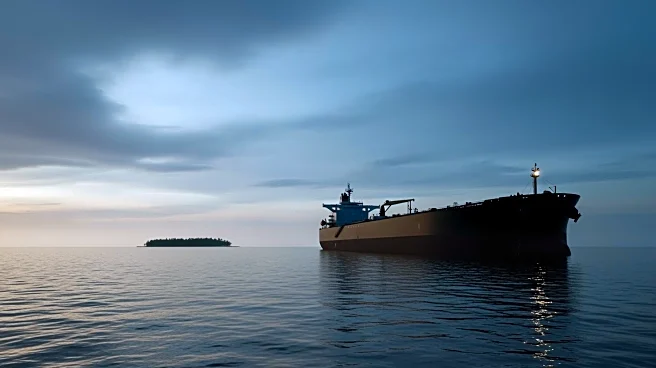
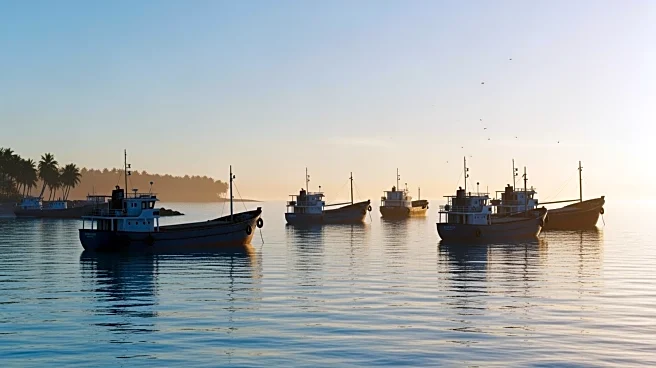
A Russian oil tanker, Anatoly Kolodkin, is approaching Cuba, carrying fuel shipments intended as humanitarian aid to alleviate the island's severe energy shortages. This move by Russia comes amid heightened geopolitical tensions, as the U.S. has been
actively working to restrict oil supplies to Cuba, exacerbating the country's energy crisis. The tanker, which left the Russian port of Primorsk, is expected to arrive soon, carrying approximately 730,000 barrels of crude oil. This shipment follows previous deliveries aimed at supporting Cuba's energy needs after the U.S. halted subsidized Venezuelan oil shipments. The situation is further complicated by the vessel being under U.S. sanctions, accused of bypassing restrictions on Russian energy exports.
Why It's Important?
The arrival of the Russian tanker in Cuba represents a significant geopolitical challenge for the U.S., as it tests the limits of Washington's blockade strategy. The U.S. aims to deepen Cuba's economic crisis by restricting oil supplies, thereby increasing pressure on its government. However, successful delivery of Russian oil would undermine this approach, highlighting the limits of U.S. influence in the region. The situation also poses legal and political sensitivities, as interfering with a sanctioned vessel in international waters could escalate tensions between the U.S. and Russia. For Moscow, the mission reinforces its image as a strong ally capable of challenging U.S. influence in the Western Hemisphere.
What's Next?
As the tanker nears the Caribbean, the U.S. faces a dilemma: enforce its blockade, risking confrontation with Russia, or allow the delivery, undermining its strategy. Analysts suggest that U.S. forces could shadow the vessel to increase pressure, but stopping or seizing it lacks legal basis and could escalate tensions. The Kremlin has reaffirmed its support for Havana, while the U.S. continues to apply political and economic pressure on Cuba. The situation may serve as a bargaining position for Russia to extract concessions from Washington.
Beyond the Headlines
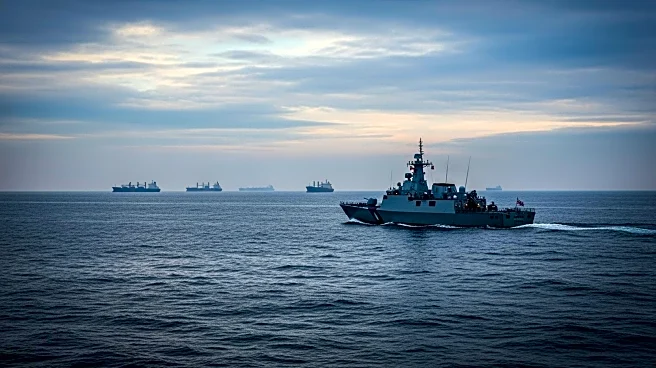
The Russian oil shipment to Cuba highlights broader geopolitical dynamics, with Moscow using the situation to signal its willingness to challenge U.S. policies in the region. The move also underscores the humanitarian crisis in Cuba, as international groups have organized aid shipments to alleviate shortages. The visibility of the Russian-flagged vessel, escorted by a naval frigate, suggests a deliberate strategy by Moscow to test U.S. resolve and potentially leverage the situation for diplomatic gains.