





What's Happening?
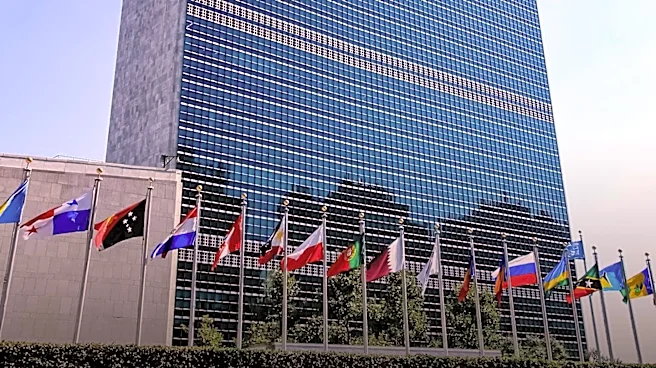
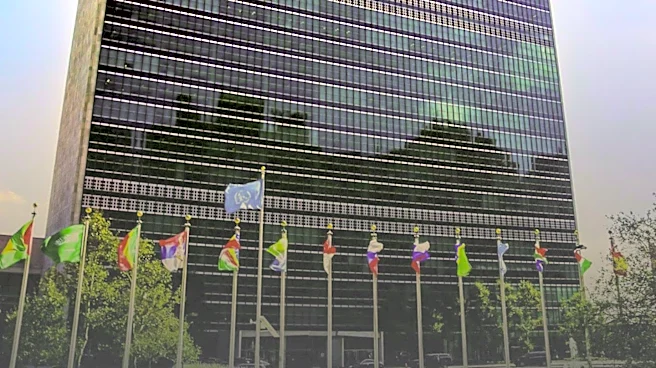
A keynote conversation on UN Web TV, organized by the International Labour Organization (ILO), addressed the critical issue of advancing social justice and universal social protection within a changing geopolitical landscape. The discussion highlighted
a concerning trend where social issues are increasingly taking a backseat in development and political narratives. National interests and defense spending are being prioritized, pushing social welfare concerns to the periphery. The central questions explored were how to re-center 'the social' in policy discussions while simultaneously ensuring necessary economic growth, how to build a more compelling investment case for social protection, and what opportunities exist to advance universal social protection in the current political climate. This dialogue underscores the tension between immediate security concerns and long-term social development goals in global governance.
Why It's Important?
The marginalization of social justice and universal social protection in global discourse has significant implications for the United States, both domestically and internationally. Domestically, a global trend of neglecting social issues can exacerbate inequalities and instability in other nations, potentially leading to increased migration pressures, humanitarian crises, and economic disruptions that could indirectly affect the U.S. Internationally, the U.S. has historically advocated for human rights and social development; a shift away from these priorities globally could undermine U.S. diplomatic efforts and influence. Furthermore, neglecting social protection can create fertile ground for extremism and political instability, which can pose direct security threats to U.S. interests abroad. Re-emphasizing social justice is crucial for fostering global stability, which aligns with U.S. foreign policy objectives and long-term economic prosperity.
What's Next?
The challenge moving forward will be to integrate social justice and universal social protection more effectively into national and international policy frameworks, even as geopolitical tensions persist. This will likely involve renewed advocacy from international organizations like the ILO and the UN to highlight the long-term benefits of social investment for stability and economic growth. Policymakers will need to develop innovative strategies to demonstrate the economic viability and societal returns of social protection programs. There may be efforts to frame social protection as a component of national resilience and security, rather than a separate, competing priority. International cooperation will be essential to share best practices and mobilize resources to advance these goals, potentially requiring a re-evaluation of aid priorities and development agendas by nations including the United States.
Beyond the Headlines
The discussion points to a deeper ethical dilemma: how societies balance immediate security threats with the fundamental human right to social protection and well-being. The current geopolitical climate, characterized by increased defense spending and nationalistic tendencies, risks creating a world where basic social safety nets are eroded, leading to greater inequality and social unrest. This could trigger long-term shifts in global governance, potentially weakening international cooperation on social issues and fostering a more fragmented world. The ethical imperative is to recognize that true security encompasses not only military defense but also the well-being and dignity of all individuals. Failure to address this could lead to a cycle where social neglect fuels instability, which in turn demands more security spending, creating a perpetual challenge to sustainable development and peace.