


What's Happening?
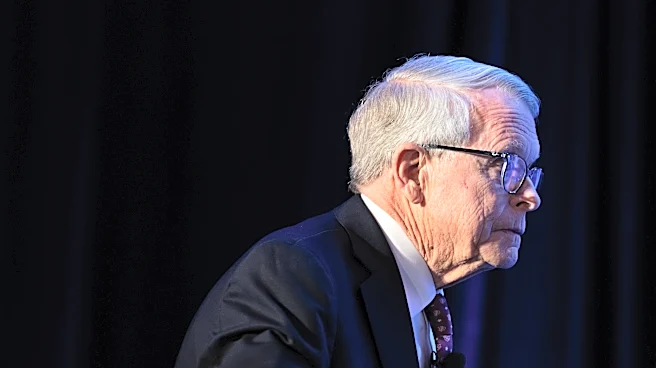
Rep. Ro Khanna, a Democrat from California, is actively promoting his economic plan, termed 'New Economic Patriotism,' aimed at revitalizing U.S. manufacturing. Khanna, who is considering a presidential bid in 2028, has been touring the Rust Belt, including
Pennsylvania, Ohio, and Michigan, to pitch his economic vision. His plan includes creating a national industrial bank to provide capital for businesses critical to national interests, such as steel and energy. Khanna's background, which includes growing up in Bucks County, Pennsylvania, and representing Silicon Valley, informs his perspective on the importance of manufacturing jobs. He has been advocating for policies that could reshape the U.S. economy, including universal healthcare and taxing the wealthy, while also addressing the challenges posed by China to U.S. industries.
Why It's Important?
Khanna's economic plan is significant as it addresses the long-standing issue of deindustrialization in the U.S., particularly in the Rust Belt, which has experienced significant job losses over the years. By proposing a 'Marshall Plan for America,' Khanna aims to rebuild the manufacturing sector, which could lead to job creation and economic revitalization in regions that have been economically stagnant. His proposal for a national industrial bank could provide the necessary financial support to industries critical to national interests, potentially reducing reliance on foreign manufacturing. This plan also highlights the broader political strategy of appealing to voters in industrial regions, which have been pivotal in past elections. Khanna's approach could influence the Democratic Party's economic policies and strategies in future elections.
What's Next?
Khanna's continued promotion of his economic plan may influence the Democratic Party's platform and policy discussions leading up to the 2028 presidential election. As he tours the Rust Belt, Khanna is likely to gather feedback and refine his proposals to address the concerns of local industries and workers. His potential presidential bid could further elevate the discussion on manufacturing and economic policies within the party. Additionally, Khanna's proposals, such as the national industrial bank, may face scrutiny and debate within Congress, particularly regarding funding and implementation. The response from political leaders, businesses, and civil society groups will be crucial in determining the feasibility and impact of Khanna's economic vision.
Beyond the Headlines
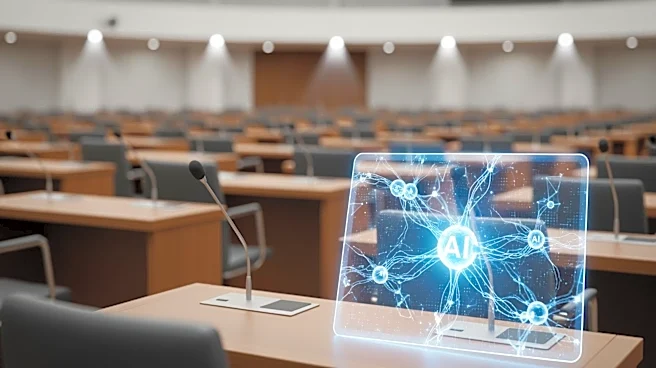
Khanna's economic plan also touches on broader themes of economic inequality and the role of government in supporting industries. By advocating for policies like taxing the wealthy and introducing a 'token tax' on artificial intelligence, Khanna is addressing the growing concerns about wealth distribution and the impact of technology on the workforce. His proposals could spark discussions on the ethical and economic implications of technological advancements and the need for policies that ensure equitable growth. Furthermore, Khanna's focus on manufacturing highlights the cultural and historical significance of these industries in shaping American identity and economic strength.