








What's Happening?
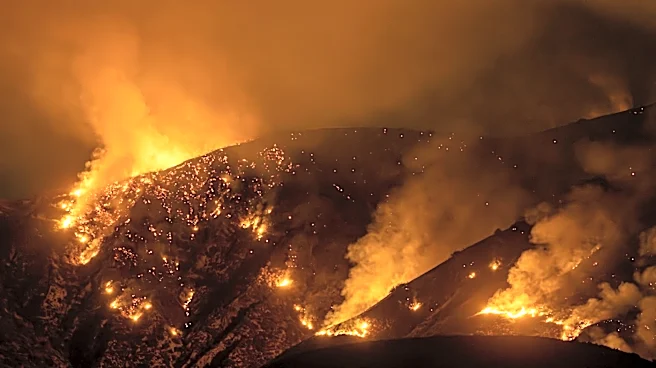
New evidence has emerged implicating Southern California Edison in the ignition of the deadly Eaton wildfire, which occurred in January 2025. Lawyers for insurers have presented surveillance footage and utility data in a court filing, suggesting that
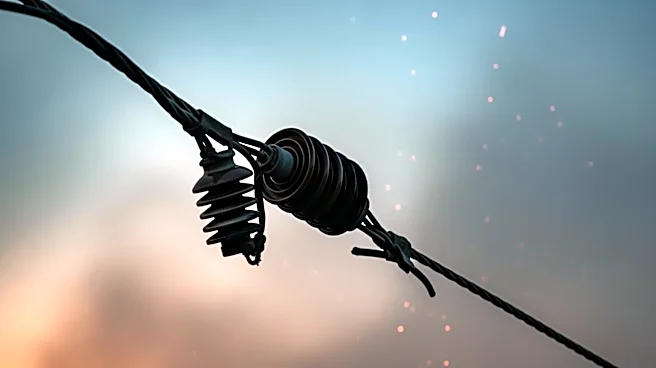
a century-old, idle transmission line owned by Edison was responsible for starting the fire. The footage shows two bright flashes at the location of the idle line, corresponding with faults recorded by Edison on another line miles away. The fire resulted in 19 deaths and displaced thousands in Altadena. Despite the evidence, Edison has not accepted responsibility, citing ongoing investigations by both the company and local fire officials. The utility had previously designated the line as 'out-of-service' since 1971 but left it in place for potential future use.
Why It's Important?
The legal implications of this case are significant for Southern California Edison and the broader utility industry. If found liable, Edison could face substantial financial penalties under the doctrine of inverse condemnation, which holds utilities accountable for damages caused by their equipment, regardless of negligence. This case highlights the risks associated with aging infrastructure and the potential consequences of failing to decommission outdated equipment. The outcome could influence regulatory policies and utility practices nationwide, particularly concerning the management of idle lines and the prevention of wildfires. Additionally, the case underscores the importance of transparency and accountability in utility operations, as public trust and safety are paramount.
What's Next?
A hearing on the insurers' motion is scheduled for August 11 in Los Angeles County Superior Court. The outcome could determine whether Edison will be held financially responsible for the fire damages. Meanwhile, the Los Angeles County District Attorney is investigating potential criminal charges against Edison. The company has offered compensation to victims who waive their right to sue, but many have rejected these offers, arguing they do not cover their losses. Edison anticipates reimbursement from a state fund designed to shield utilities from fire-related damages, provided they meet certain safety requirements. The case may prompt legislative and regulatory reviews of utility practices and fire prevention measures.