






What's Happening?
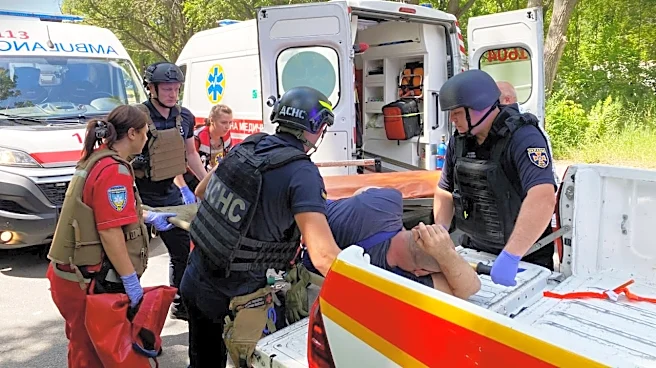
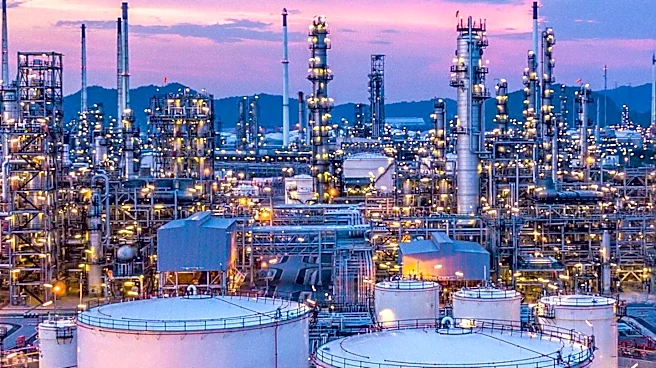
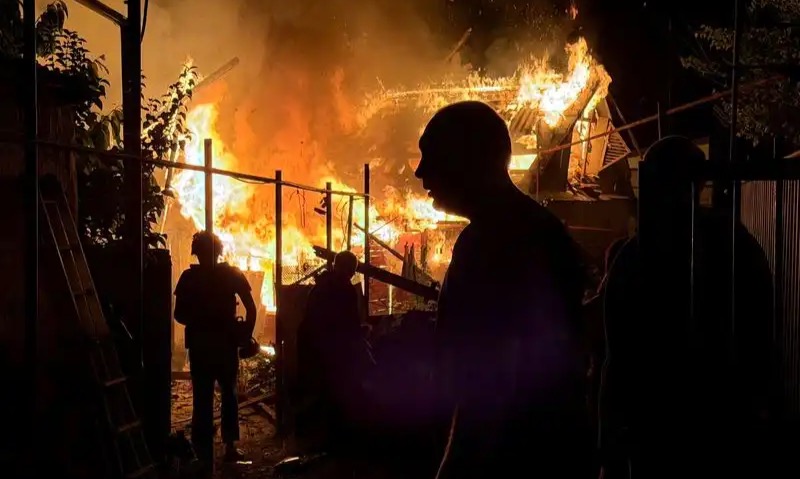
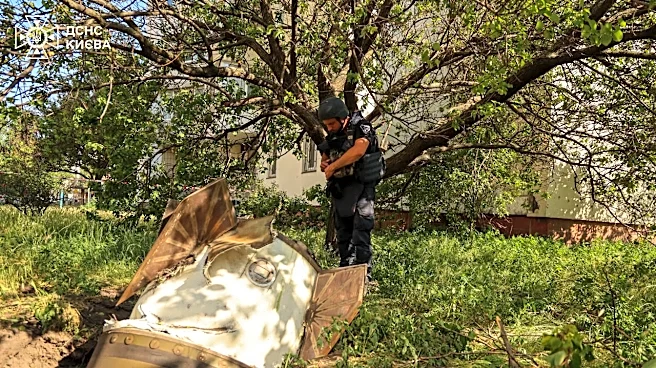
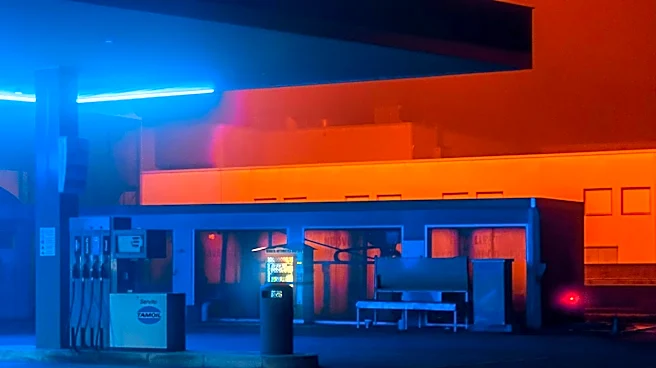
Russian President Vladimir Putin has acknowledged the presence of long queues at gas stations and shortages of various fuel types in Russia, attributing these issues to ongoing Ukrainian strikes on Russian energy infrastructure. The Russian government
has tapped into its fuel reserves, which have decreased by about 4% compared to the previous year. In response, a temporary ban on the export of gasoline and jet fuel has been imposed, with a potential ban on diesel exports under consideration. Putin emphasized the need to increase production and minimize the impact of Ukrainian attacks, while also addressing the energy deficit in the Russian-occupied Crimean peninsula.
Why It's Important?
The fuel shortages and export bans in Russia could have significant implications for global energy markets, potentially affecting fuel prices and supply chains worldwide. The situation highlights the strategic importance of energy infrastructure in geopolitical conflicts and the potential for such conflicts to disrupt global markets. For Russia, the shortages pose a domestic challenge, potentially leading to public dissatisfaction and economic difficulties. The ongoing conflict with Ukraine and the international response, including potential sanctions or diplomatic actions, could further influence the geopolitical landscape and energy security considerations.
What's Next?
Russia is expected to continue efforts to stabilize its fuel supply by increasing production and potentially implementing further export restrictions. The ongoing conflict with Ukraine may lead to additional military and diplomatic developments, with potential responses from international stakeholders. The situation could prompt discussions on energy security and infrastructure resilience in other countries, as they assess the risks of similar disruptions. Additionally, the impact on the Russian economy and public sentiment may influence domestic policy decisions and political dynamics.