



What's Happening?
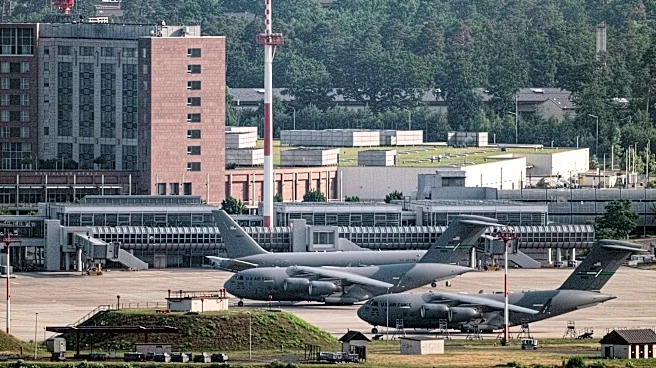
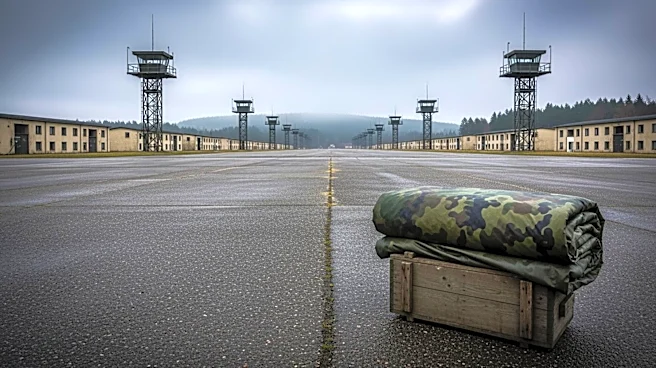
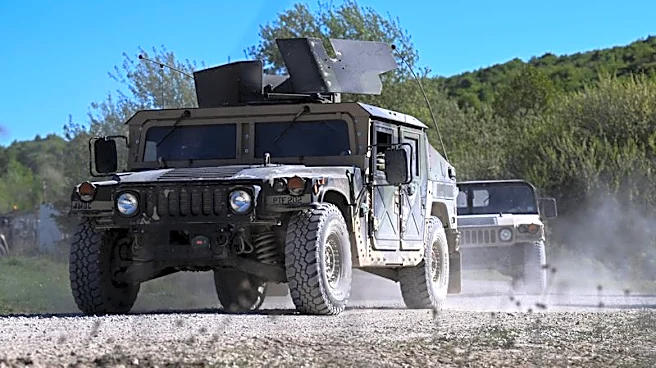
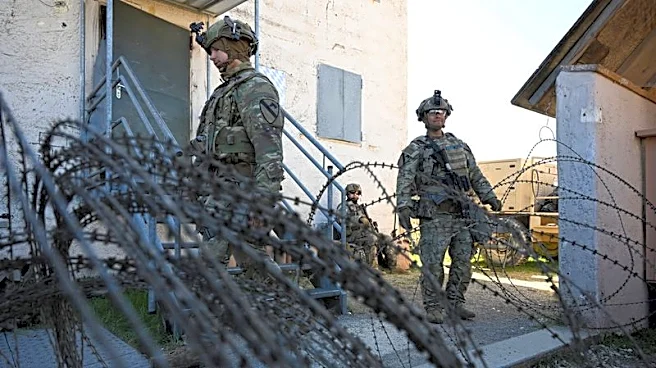
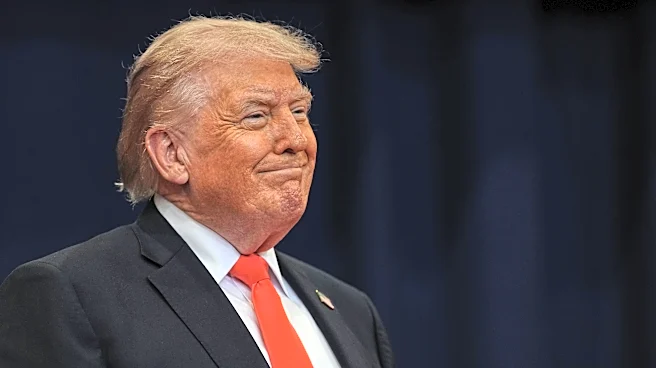
President Trump has announced plans to withdraw 5,000 U.S. troops from Germany, a move that has sparked concern among European allies. This decision is part of a broader strategy to reduce the U.S. military presence in Europe, which has been a cornerstone
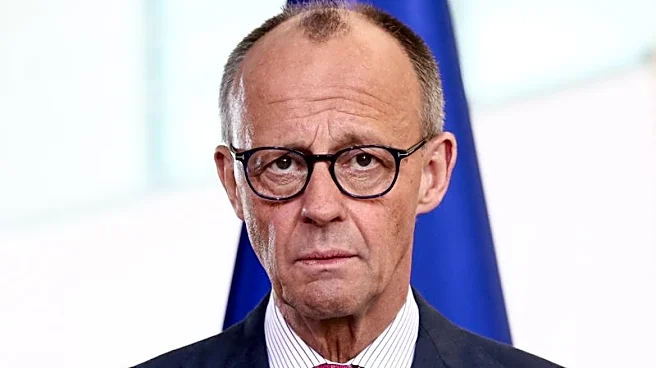
of transatlantic security since World War II. The announcement follows criticism from the German chancellor regarding U.S. military strategy in Iran. The reduction, although small relative to the total U.S. forces in Europe, signals a shift in U.S. priorities away from European defense. This has prompted European nations to reconsider their defense strategies and increase their military spending to compensate for the potential gap left by the U.S. withdrawal.
Why It's Important?
The potential withdrawal of U.S. troops from Germany could have significant implications for NATO and European security. It may undermine deterrence against Russian aggression, as noted by U.S. congressional leaders. The move could also embolden Russia, which has been facing economic challenges. For Europe, this development underscores the need for greater self-reliance in defense matters. European countries may need to accelerate their defense spending and strategic planning to ensure regional stability. The decision also highlights the fragility of U.S.-European relations under President Trump's administration, raising questions about the future of transatlantic cooperation.
What's Next?
European nations are likely to seek clarification from Washington regarding the troop withdrawal plans. In the meantime, they may focus on enhancing their defense capabilities independently of the U.S. This could involve increased military spending and strategic realignments within NATO. The situation also calls for diplomatic efforts to maintain strong U.S.-European ties and ensure continued collaboration on security issues. The potential delay in U.S. weapons deliveries to Europe, due to prioritization of Middle Eastern needs, further complicates the defense landscape for European allies.
Beyond the Headlines
The troop withdrawal plan could mark a significant shift in the post-World War II security framework that has defined U.S.-European relations. It raises ethical and strategic questions about the U.S.'s commitment to its allies and the balance of power in Europe. The move may also influence European public opinion on defense policies and the role of the U.S. in global security. Long-term, this development could lead to a more fragmented NATO, with varying levels of preparedness among member states, particularly those closer to Russia.