





What's Happening?
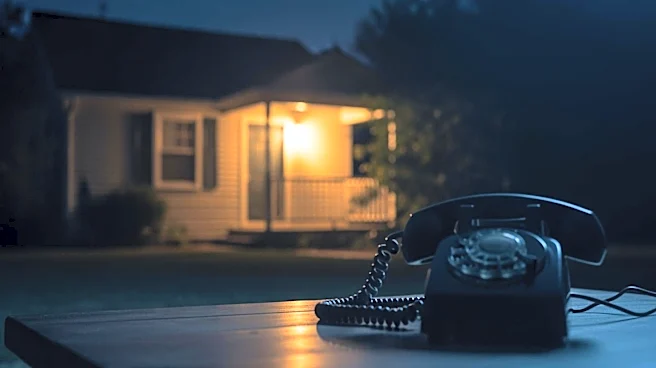
Police in Northern Virginia responded to a swatting attempt at the home of Justice Amy Coney Barrett. The incident occurred when Fairfax County dispatchers received a report of gunshots and arguing at Barrett's address. The call, which was later determined
to be false, was intended to provoke a heavy police response. Swatting is a dangerous prank involving false emergency reports to send armed officers to a victim's location. The Fairfax County Police coordinated with Supreme Court Police and confirmed the report was unfounded. This incident follows a series of threats and harassment against justices, including the delivery of pizzas to their homes as a form of intimidation. The justices have been under increased security since 2022, following the leak of a draft decision overturning Roe v. Wade. Chief Justice John Roberts has previously warned about the growing hostility directed at the court.
Why It's Important?
The swatting attempt at Justice Barrett's home underscores the escalating threats faced by Supreme Court justices. Such incidents highlight the need for robust security measures to protect judicial figures from harassment and potential harm. The rise in threats against justices reflects broader tensions in the U.S. political landscape, where judicial decisions can provoke strong public reactions. This environment of hostility not only endangers the personal safety of justices but also poses a threat to the independence and functioning of the judiciary. Ensuring the safety of justices is crucial for maintaining public confidence in the judicial system and upholding the rule of law.
What's Next?
In response to the increasing threats, it is likely that security measures for Supreme Court justices will be further enhanced. This could involve more comprehensive surveillance and protective protocols around their residences and public appearances. The incident may also prompt discussions within the judiciary and law enforcement about strategies to prevent swatting and other forms of harassment. Additionally, there may be calls for legislative action to address the legal and security challenges posed by swatting. The judiciary and law enforcement agencies will need to collaborate closely to ensure the safety of justices and their families.