


What's Happening?
Mumbai's July weather has become increasingly unpredictable, characterized by delayed monsoon arrivals, high humidity, and intense heat, revealing significant climate shifts. Historically, July marks the peak of the monsoon season, but recent years, including
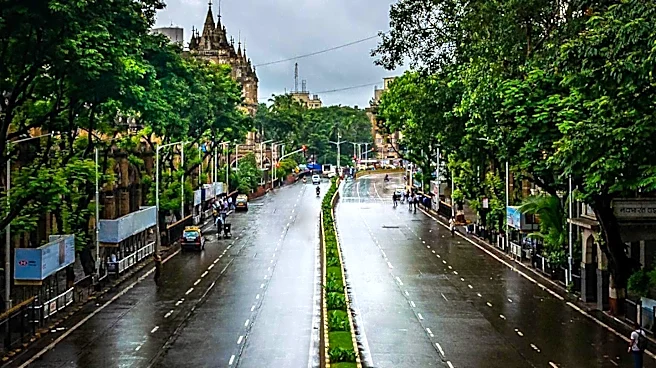
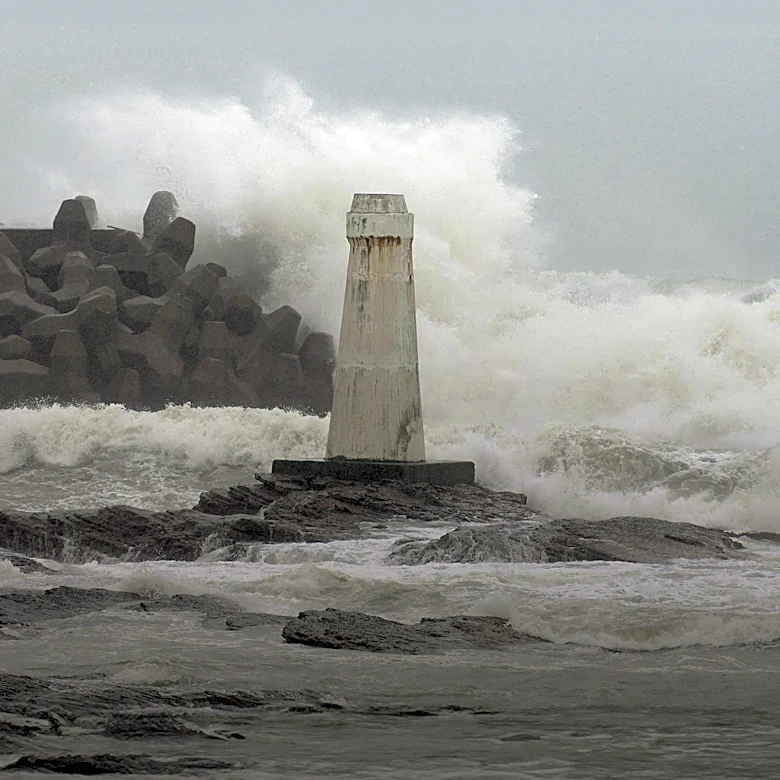
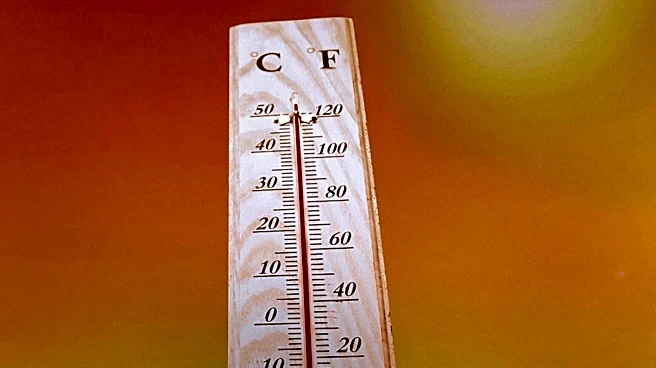
2023, have seen delays of 10-15 days, with the monsoon arriving as late as July 5th in some districts. This extends the pre-monsoon heatwave, pushing temperatures into the mid-30s°C with humidity often exceeding 80%. The city experiences short, intense bursts of rain followed by dry, muggy heat. This unpredictability disrupts daily life, leading to power outages, water rationing, and a spike in heat-related illnesses. The city's infrastructure, designed for a more predictable monsoon, struggles to cope with sudden downpours that cause widespread flooding in low-lying areas.
Why It's Important?
The erratic weather patterns in Mumbai during July have profound implications for the city's 20 million-plus metropolitan population, its economy, and infrastructure. The delay in monsoons directly impacts water supply, as Mumbai relies heavily on monsoon-fed reservoirs, leading to water rationing and agricultural losses in surrounding regions. The combination of high temperatures and extreme humidity creates a dangerous environment, with heatstroke cases spiking, particularly among outdoor workers. This poses a significant public health challenge. Economically, businesses, especially those in ports and textile industries, face lost revenue due to disruptions. The city's colonial-era drainage system is ill-equipped for modern monsoon intensity, resulting in frequent flooding that paralyzes transport and daily activities. This situation underscores the urgent need for climate-resilient infrastructure and adaptation strategies to protect lives and livelihoods in one of India's financial capitals.
What's Next?
Mumbai faces the critical task of adapting its infrastructure and urban planning to the new climate reality. This includes investing in smart drainage systems, green roofs, and flood-resistant infrastructure to mitigate the impact of intense downpours. The Brihanmumbai Municipal Corporation (BMC) has initiated heat action plans, including establishing cooling centers, but critics argue that implementation is slow and needs to be scaled up, especially for vulnerable populations in informal settlements. There is a growing need for long-term, city-level plans for water management, including increased rainwater harvesting and potentially desalination, to ensure water security. Furthermore, public awareness campaigns and early warning systems for extreme weather events will be crucial to help residents prepare and respond effectively to the changing climate patterns. The city's ability to adapt will determine its resilience and sustainability in a warming world.
Beyond the Headlines
Mumbai's July weather is a stark illustration of how climate change is rewriting the rules for urban centers globally. The city's struggle highlights the interconnectedness of environmental shifts with social, economic, and cultural aspects of urban life. The unpredictability of the monsoon not only affects physical infrastructure but also reshapes social rhythms, impacting everything from Bollywood film shoots to wedding schedules and street food culture. The urban heat island effect, exacerbated by rapid construction and loss of green spaces, further intensifies the heat and humidity, creating a vicious cycle. This situation raises ethical questions about equitable access to climate resilience measures, as vulnerable communities often bear the brunt of extreme weather. Mumbai's experience serves as a critical case study for how mega-cities must confront and integrate climate adaptation into every facet of their development to ensure a livable future.