






What's Happening?
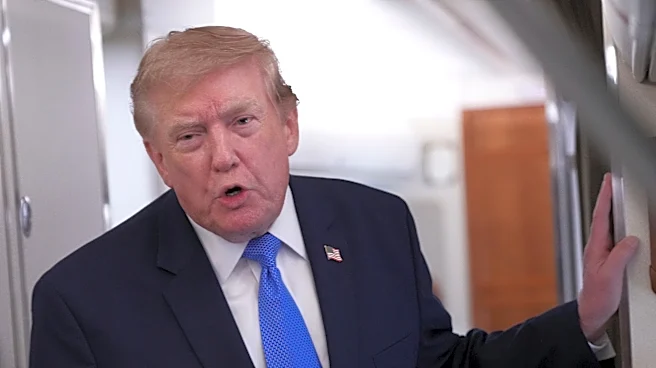
Oil prices fell by over 6% as President Trump announced potential talks with Iran, raising hopes for easing tensions in the Middle East. The announcement followed a period of heightened conflict between the U.S. and Iran, which had previously driven oil
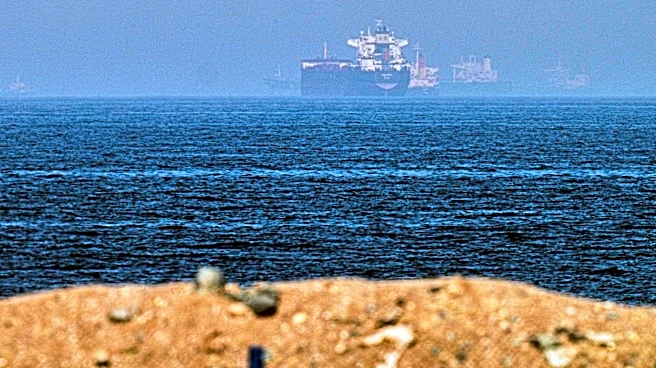
prices up by more than 20%. The potential for a diplomatic breakthrough has led to a decrease in oil prices, although uncertainty remains regarding the success of the negotiations. The situation has kept investors cautious, with security risks along key shipping routes still a concern. The market is also reacting to OPEC+'s decision to increase oil production quotas, although this has had little impact due to ongoing export disruptions.
Why It's Important?
The potential easing of tensions between the U.S. and Iran could have significant implications for global oil markets and geopolitical stability in the Middle East. A successful diplomatic resolution could lead to a more stable oil supply, reducing price volatility and benefiting global economies. However, the uncertainty surrounding the negotiations and the persistent security risks highlight the fragile nature of the situation. The outcome of the talks could influence U.S. foreign policy and its relations with Middle Eastern countries, as well as impact global energy markets.
What's Next?
The focus will be on the progress of the U.S.-Iran talks and their potential to achieve a lasting resolution. The market will closely monitor any developments that could affect oil supply and prices. Additionally, the response of other countries in the region, as well as OPEC+'s production decisions, will be critical in shaping the future of the oil market. The situation remains fluid, with potential for both positive and negative outcomes depending on the success of the diplomatic efforts.