





What's Happening?
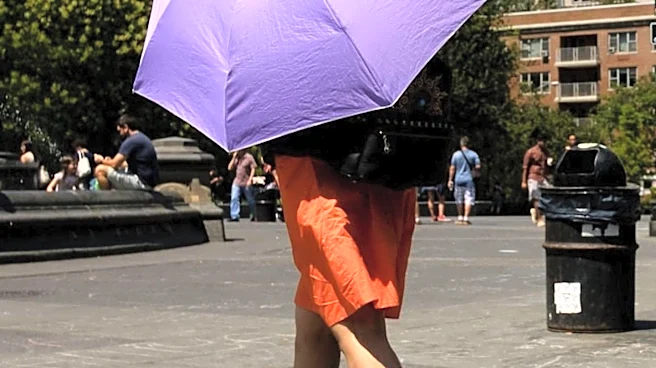
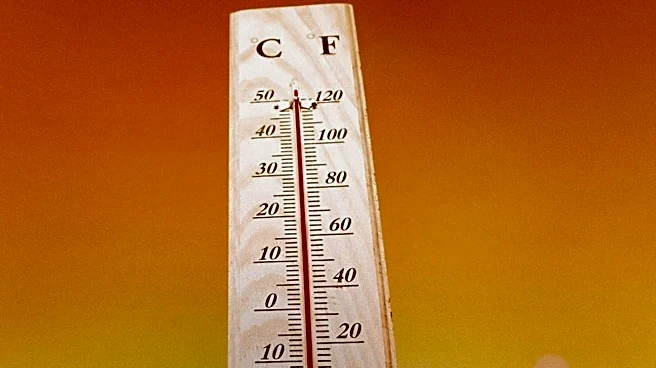
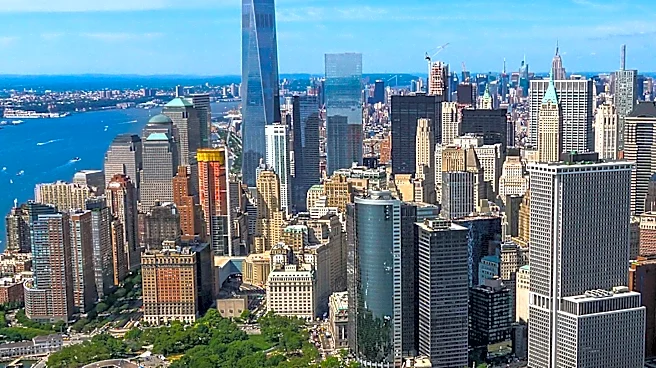
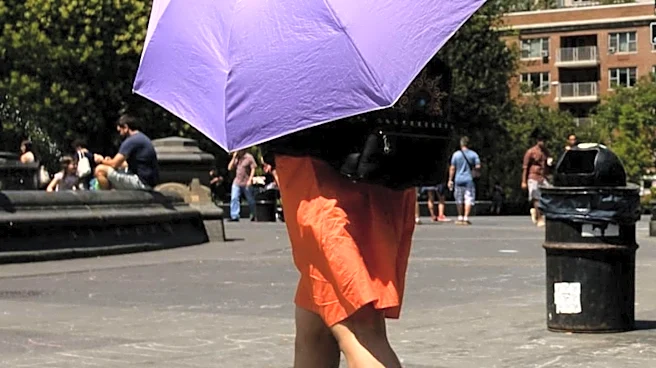
New York City is preparing for a potential heatwave with temperatures expected to reach a 'feels-like' 115 degrees by the Fourth of July weekend. In response, Mayor Mamdani has activated a Heat Emergency Plan across all five boroughs. This plan includes
the opening of hundreds of cooling centers and the deployment of Cooling Outreach On-Location (COOL) vans. These vans will provide wellness checks, medical care, water, and supplies such as electrolytes and sunscreen. The Department of Health and Mental Hygiene will operate Health Action Centers and Overdose Prevention Centers as cooling centers, and there will be pop-up cooling stations through partnerships with community organizations. Additionally, 2,200 LinkNYC Kiosks will offer real-time walking directions to the nearest cooling centers.
Why It's Important?
The activation of cooling centers is crucial for public health, especially for vulnerable populations such as older adults and those with chronic health conditions. The initiative aims to prevent heat-related illnesses and fatalities, which can occur during extreme temperature events. The city's proactive measures reflect a commitment to safeguarding residents, particularly those without access to air conditioning. The use of public spaces and community partnerships highlights the importance of community resilience and resourcefulness in addressing climate-related challenges. This approach not only provides immediate relief but also underscores the need for long-term strategies to cope with increasing temperatures due to climate change.
What's Next?
As the heatwave approaches, the city will continue to monitor weather conditions and adjust its response as necessary. The effectiveness of the cooling centers and outreach efforts will be evaluated, potentially leading to improvements in future heat emergency responses. Community feedback will be essential in identifying areas for enhancement, such as increasing accessibility and resources at cooling centers. The city may also explore additional funding sources to support these initiatives, ensuring they are sustainable and effective in the long term.
Beyond the Headlines
The reliance on volunteer spaces and existing public facilities for cooling centers highlights the challenges of resource allocation in emergency situations. This approach, while practical, may not be sufficient for large-scale emergencies, pointing to a need for dedicated infrastructure investments. The situation also raises questions about urban planning and the integration of climate resilience into city development. As climate change continues to impact weather patterns, cities like New York may need to rethink their infrastructure and emergency preparedness strategies to better protect their populations.