







What's Happening?
NJ Transit riders are facing significant service changes on the rails over the next several weeks as the next phase of work on the Portal Bridge project continues. These changes will impact daily commutes and travel plans for thousands of passengers.
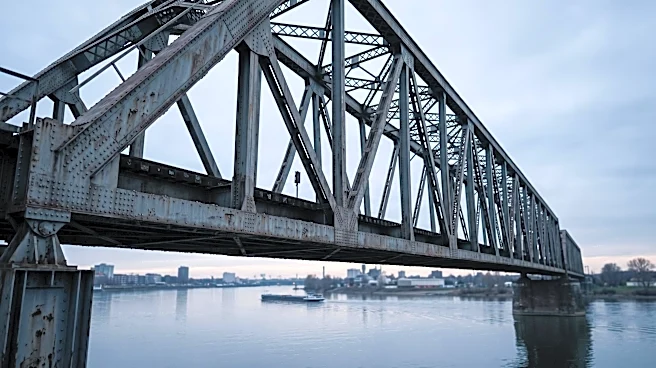
The Portal Bridge, a critical piece of infrastructure for the Northeast Corridor, is undergoing a major replacement project aimed at improving reliability and capacity. The ongoing construction necessitates adjustments to train schedules and routes, and NJ Transit is advising riders to be aware of these modifications. NBC New York's Lynda Baquero reported on the details riders need to know regarding these upcoming service disruptions.
Why It's Important?
The Portal Bridge project is a crucial infrastructure undertaking with significant implications for the U.S. Northeast Corridor, one of the busiest rail lines in the country. The existing bridge, over a century old, is a frequent source of delays due to its outdated swing mechanism, which often malfunctions when opening and closing for maritime traffic. Its replacement is vital for enhancing the reliability and efficiency of rail travel, impacting not only NJ Transit commuters but also Amtrak services. The current service changes, while disruptive in the short term, are a necessary part of this long-term investment in modernizing critical transportation infrastructure. Improved rail service will boost economic productivity, reduce travel times, and enhance connectivity for millions of residents and businesses in the region. The project also represents a substantial federal and state investment in infrastructure, highlighting a commitment to addressing long-standing transportation challenges.
What's Next?
NJ Transit riders should anticipate continued service changes and potential disruptions over the coming weeks as the Portal Bridge project progresses. The agency will likely issue regular updates and advisories through its various communication channels, including its website, social media, and station announcements, to keep commuters informed. Riders are encouraged to check schedules frequently and plan their journeys accordingly. The completion of this phase of the project will bring the region closer to the full replacement of the Portal Bridge, which is expected to significantly reduce delays and improve overall rail service. Future phases will continue until the new bridge is fully operational, a process that will involve ongoing coordination between NJ Transit, Amtrak, and other stakeholders to minimize impact while ensuring construction milestones are met.
Beyond the Headlines
The Portal Bridge project is more than just a local infrastructure upgrade; it's a microcosm of the broader challenges and opportunities facing U.S. infrastructure development. The aging nature of critical infrastructure nationwide, from bridges and tunnels to roads and public transit systems, poses significant economic and safety risks. The Portal Bridge's replacement underscores the urgent need for sustained investment in modernizing these vital assets. This project also highlights the complex logistical and financial challenges of large-scale infrastructure initiatives, often requiring multi-agency cooperation and substantial funding. The temporary disruptions experienced by commuters are a tangible reminder of the trade-offs involved in such essential upgrades. Ultimately, the success of projects like the Portal Bridge replacement will serve as a model for how the U.S. can address its infrastructure deficit, ensuring long-term economic competitiveness and quality of life for its citizens.