
What's Happening?
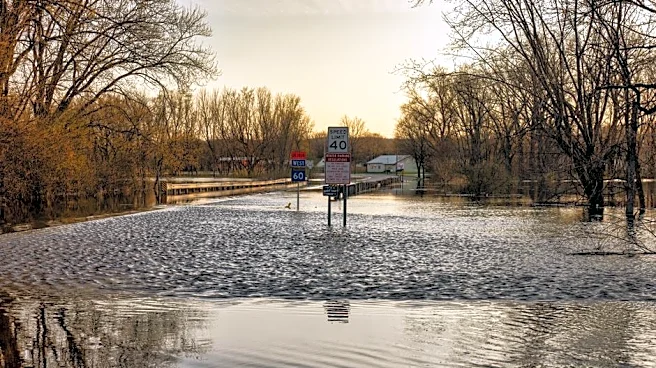
Two individuals have died due to flash floods in West Virginia, as confirmed by the governor's office. The floods were caused by torrential rains that hit the state earlier this week. The National Weather Service reported that up to 7 inches of rain fell
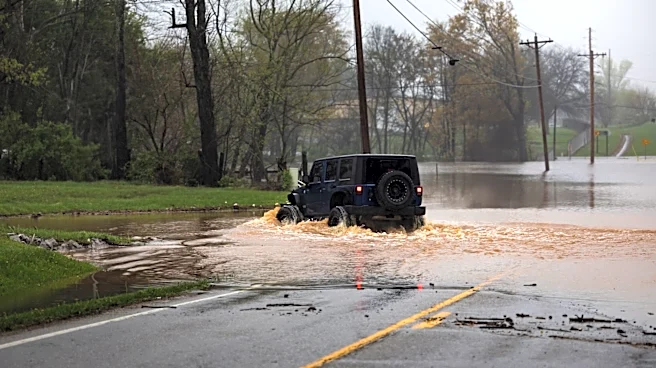
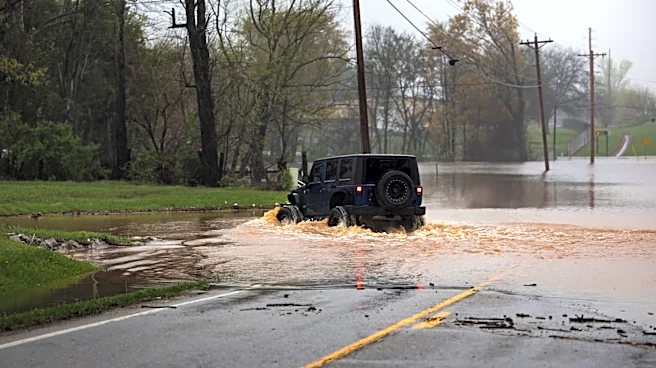
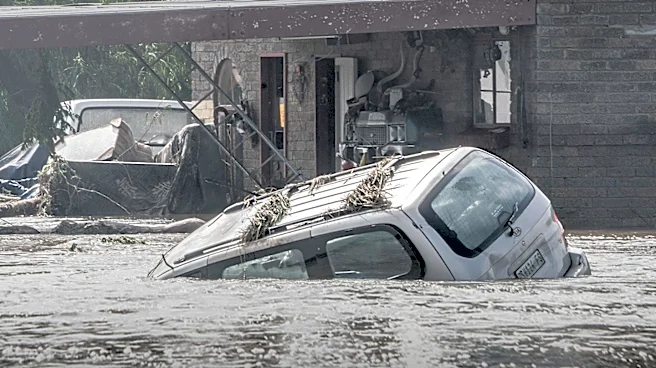
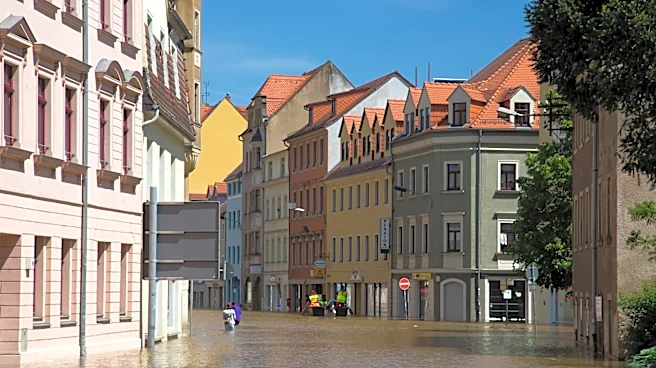
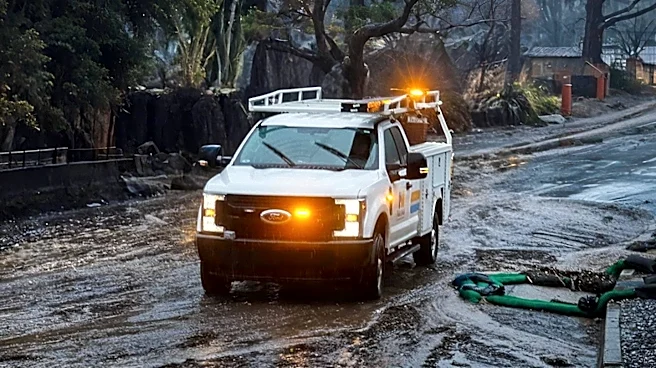
in some areas, with 4.5 inches recorded in just 37 minutes in certain locations. The floods have led to significant devastation, with submerged vehicles and inundated buildings, including a Walmart and a hotel. Rescue operations were conducted for dozens of people trapped in vehicles, and access to some areas was initially cut off by floodwaters.
Why It's Important?
The flash floods in West Virginia highlight the vulnerability of the region to extreme weather events, which can have devastating impacts on communities. The loss of life and extensive property damage underscore the need for effective emergency response and infrastructure resilience. The floods also raise concerns about climate change and its role in increasing the frequency and intensity of such weather events. The economic impact on local businesses and the cost of recovery efforts will be significant, affecting the state's economy and potentially leading to increased insurance claims and government spending on disaster relief.
What's Next?
The state is likely to focus on recovery and rebuilding efforts in the aftermath of the floods. This will involve assessing the full extent of the damage, providing support to affected communities, and implementing measures to prevent future disasters. The government may also consider investing in infrastructure improvements and flood mitigation strategies to enhance resilience against similar events. Additionally, there may be discussions on policy changes related to climate adaptation and emergency preparedness to better protect residents in the future.