




What's Happening?
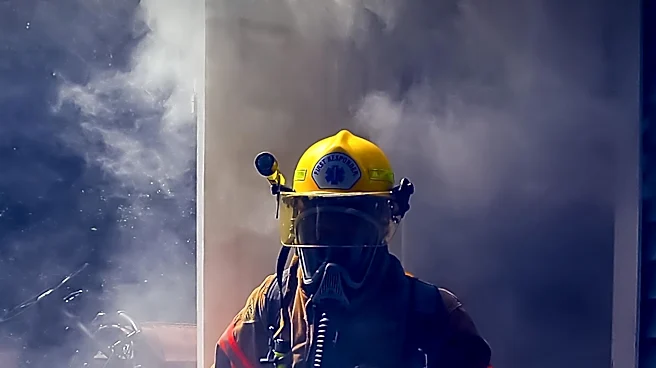
A memorial service was held to honor three firefighters, including Sydney Watson from Alabama, who tragically lost their lives battling wildfires in western Colorado. The firefighters were part of a Helitack crew, which is known for deploying into remote
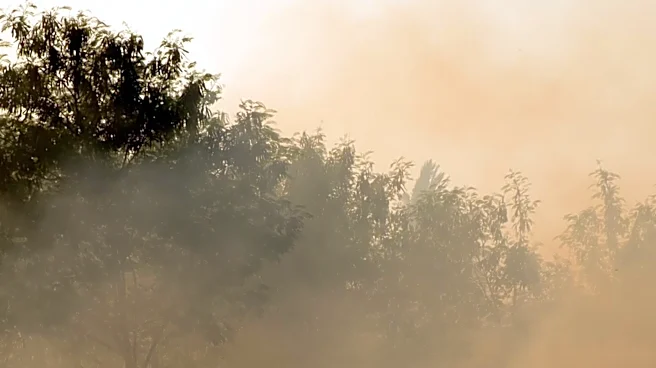
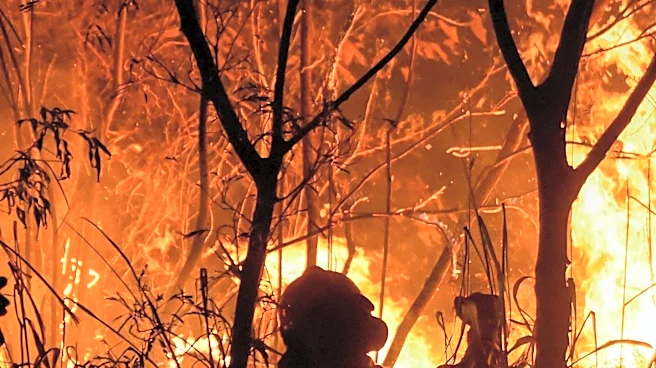
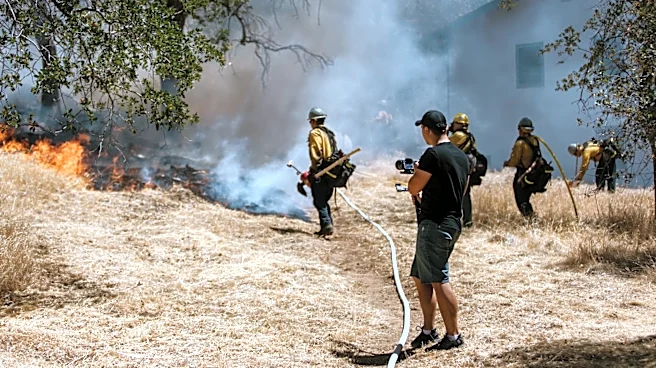
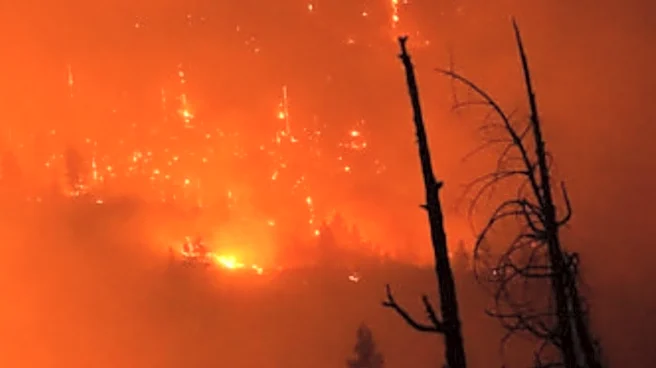
areas via helicopter. They were overcome by flames in Mesa County, despite deploying emergency protective shelters, which are considered a last resort. The service took place in Grand Junction, Colorado, near the site of the incident. Watson, along with her colleagues Emily Barker and Nick Hutcherson, was remembered for her dedication and impact on the communities she served. Watson, a graduate of the University of Tennessee Southern, was involved in initiatives to increase female participation in firefighting. The wildfires, fueled by dry weather and erratic winds, have been widespread across the Western U.S., with significant damage reported in Colorado, Utah, and New Mexico.
Why It's Important?
The loss of these firefighters highlights the extreme risks faced by those combating wildfires, which are becoming more frequent and severe due to climate conditions. Their deaths underscore the need for enhanced safety measures and support for firefighting personnel. The incident also brings attention to the broader issue of gender representation in firefighting, as Watson was actively involved in encouraging more women to join the field. The ongoing wildfires pose significant threats to communities, infrastructure, and the environment, necessitating coordinated efforts for prevention and response. The tragedy has resonated beyond the firefighting community, emphasizing the importance of public service and the sacrifices made by those who protect others.
What's Next?
Efforts to contain the remaining wildfires continue, with additional resources being deployed to affected areas. The incident may prompt reviews of safety protocols and training for firefighting crews, particularly those operating in high-risk environments. There may also be increased advocacy for policies supporting gender diversity in firefighting. As communities recover, there will likely be discussions on improving infrastructure resilience and emergency response strategies to better handle future wildfire events. The memorial service serves as a reminder of the ongoing challenges faced by firefighters and the need for continued support and recognition of their work.
Beyond the Headlines
The deaths of these firefighters could lead to a reevaluation of the mental and physical demands placed on firefighting personnel, potentially influencing future recruitment and training programs. The incident may also spark conversations about the impact of climate change on wildfire frequency and intensity, prompting policy discussions at local and national levels. Additionally, the focus on Watson's efforts to promote female participation in firefighting could inspire initiatives aimed at increasing diversity and inclusion within the field, addressing long-standing gender imbalances.