



What's Happening?
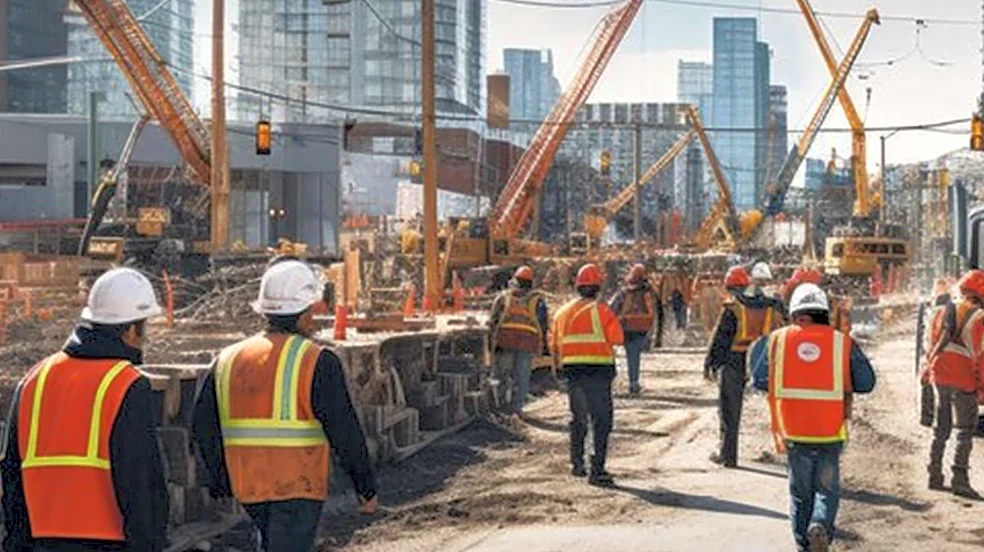
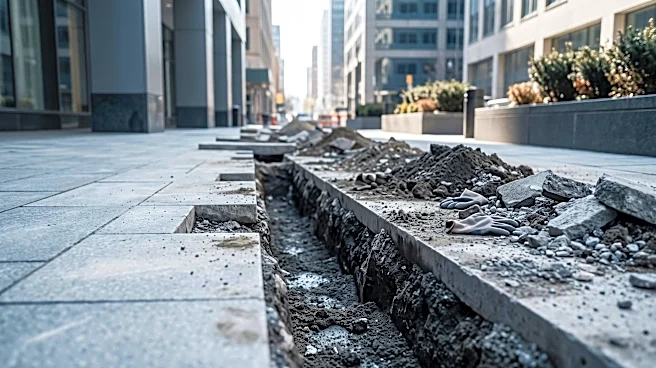
Pedestrians in downtown Guayaquil, Ecuador, are facing significant challenges due to ongoing urban renewal projects. Raised sidewalks, construction debris, trenches, and a lack of proper signage are complicating movement, particularly in the banking district.
Individuals, including those with disabilities, are forced to navigate loose earth, removed paving stones, and even walk in the street due to obstructed pathways. Construction work, observed on streets such as Pichincha, Francisco de Paula Icaza, Junín, and Panamá, involves new paving and tree planting. The current conditions pose a risk of falls and create difficulties for daily commuters and those conducting errands in the area. The municipality anticipates completing the project by the end of November, provided there are no further delays caused by rain.
Why It's Important?
The impeded pedestrian access in Guayaquil highlights the broader challenges faced by urban populations during infrastructure development. While urban renewal aims to improve city environments, the immediate impact on daily life, accessibility, and safety for residents can be substantial. For businesses in the affected areas, reduced foot traffic and difficult access could lead to decreased customer engagement and potential economic losses. The situation also underscores the importance of effective urban planning that prioritizes pedestrian safety and accessibility during construction phases, especially for vulnerable groups like people with disabilities. The delays and inconveniences experienced by Guayaquil residents could serve as a case study for other cities undertaking similar large-scale urban development projects.
What's Next?
The Municipality of Guayaquil expects to conclude the urban renewal project by the end of November, contingent on favorable weather conditions. As the project progresses, there is an anticipation that pedestrian access will improve once the new paving and infrastructure are fully installed. However, until completion, pedestrians will likely continue to face the current difficulties. Stakeholders, including local businesses and residents, will be closely monitoring the project's timeline and the effectiveness of temporary measures to ensure safety and accessibility. The completion of the project is expected to enhance the urban landscape and pedestrian experience in the long term, but the immediate focus remains on managing the ongoing disruption.
Beyond the Headlines
The situation in Guayaquil extends beyond mere inconvenience, touching upon issues of urban equity and public responsibility. The challenges faced by pedestrians, particularly those with disabilities, raise questions about the inclusivity of urban development projects. The lack of clear signage and safe pathways can be seen as a failure to adequately protect citizens during public works. This scenario underscores the ethical obligation of city planners to not only envision future urban improvements but also to meticulously plan for the present-day impact on residents. It also highlights the cultural aspect of urban living, where daily routines are significantly altered by construction, prompting residents to adapt and voice their concerns about the pace and safety of development.