










What's Happening?
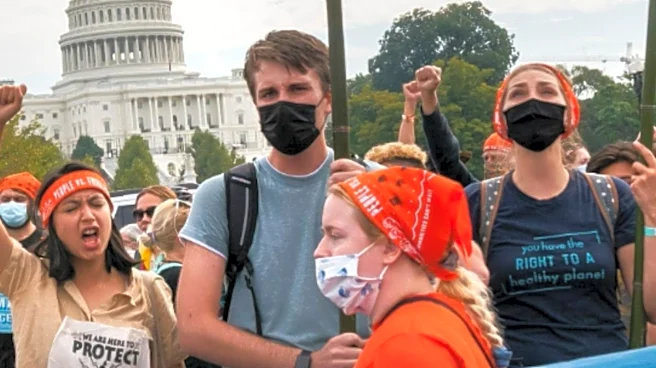
As the US approaches its 250th anniversary, there is growing concern about the challenges facing youth-led movements in shaping democracy. Historically, young people have been pivotal in driving social change, but recent trends show a disconnect between
local successes and national impact. Factors such as movement capture by philanthropy, lack of coordinated strategy, and insufficient national infrastructure are cited as barriers. These challenges hinder the ability of youth movements to translate local victories into broader systemic change, raising questions about the future of democratic engagement.
Why It's Important?
Youth-led movements have historically been catalysts for significant social and political change in the US. The current challenges they face could impact the country's ability to address pressing issues such as racial justice, climate change, and economic inequality. The disconnect between local and national efforts may weaken the overall impact of these movements, potentially stalling progress on critical issues. Understanding and addressing these barriers is crucial for fostering a vibrant and inclusive democracy that reflects the diverse voices and needs of its citizens.
Beyond the Headlines
The challenges facing youth-led movements highlight broader issues within the nonprofit and philanthropic sectors. The influence of funding on movement agendas raises ethical questions about autonomy and authenticity. Additionally, the lack of coordinated strategy among different advocacy groups points to a need for greater collaboration and resource sharing. Addressing these systemic issues could empower youth movements to achieve more sustainable and impactful change, ultimately strengthening democratic processes and institutions.