





What's Happening?
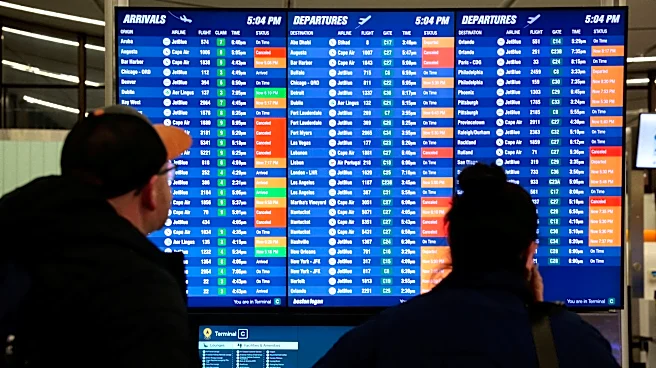
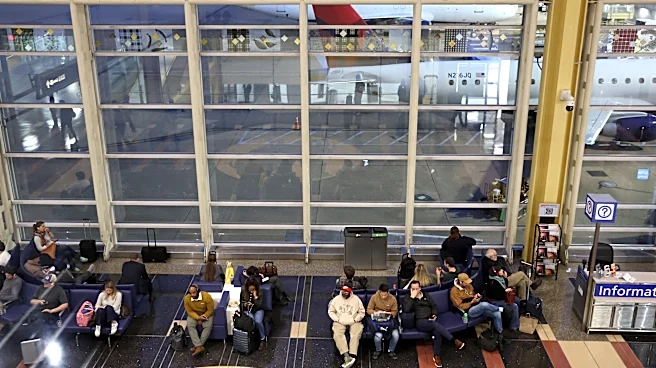
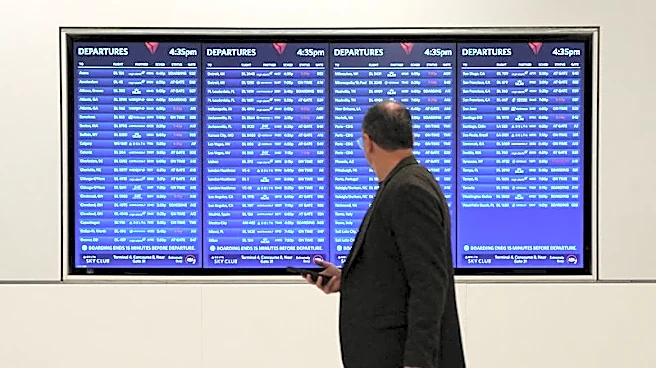
Airport workers in Buenos Aires are conducting a 'Japanese-style' strike, which could lead to significant flight delays and cancellations at Ministro Pistarini International Airport in Ezeiza and Jorge Newbery Airport. The State Workers Association (ATE)
announced the industrial action, which began on Friday, November 13, 2026. A 'Japanese-style' strike involves employees strictly adhering to all established procedures and regulations, thereby slowing down operations without outright stopping work. This method aims to highlight the union's demands by extending the time required for airport checks and other processes. The protest primarily affects ground control and administrative operations within the National Civil Aviation Administration (ANAC), the regulatory body for commercial aviation. ATE members involved include healthcare workers, firefighters, inspectors, administrative staff, and ground control personnel. The union has also stated that work slowdowns in firefighting services will continue nationwide from Monday through Friday of the following week.
Why It's Important?
This industrial action is significant as it directly impacts air travel in Argentina's two largest airports, potentially causing widespread disruption for passengers and airlines. The union's demands for better wages and increased funding for airport services underscore broader concerns about the financial well-being of public sector employees and the adequacy of resources allocated to critical infrastructure. The 'Japanese-style' strike, while not a full work stoppage, can be highly effective in drawing attention to labor disputes by creating operational inefficiencies. This approach puts pressure on authorities to address the union's grievances, particularly regarding the alleged 'freeze' on a portion of workers' salaries since the beginning of the year. The union's complaints to international aviation organizations also raise questions about Argentina's compliance with international recommendations on wages and staffing, potentially affecting the country's standing in global aviation circles.
What's Next?
The State Workers Association (ATE) has announced that its protest measures, including work slowdowns in firefighting services, will continue from Monday through Friday of the following week across all national airports. This indicates a sustained period of potential disruption for air travel. The union is pressing for negotiations with authorities to address its demands for improved wages and increased funding for ANAC workers. The outcome of these negotiations will determine whether the industrial action escalates or is resolved. If a resolution is not reached, further disruptions, including potential cancellations, could occur. The situation also highlights the ongoing tension between labor unions and government entities regarding public sector compensation and resource allocation, suggesting that similar disputes could arise in other sectors if these underlying issues are not addressed.
Beyond the Headlines
The 'Japanese-style' strike employed by airport workers in Buenos Aires highlights a strategic evolution in labor protests, moving beyond traditional full-scale stoppages to more nuanced forms of disruption. This method allows unions to exert pressure and draw attention to their demands while potentially mitigating the legal and public relations backlash associated with complete shutdowns. The dispute also reflects a broader societal challenge concerning the valuation of public services and the compensation of essential workers. The union's argument that ANAC has substantial revenue that should be allocated to operational financing and wage increases points to a potential disconnect between organizational financial health and employee remuneration. This situation could prompt a re-evaluation of funding models and labor relations within critical public services, not just in Argentina but potentially serving as a case study for other nations facing similar economic and labor pressures.