





What's Happening?
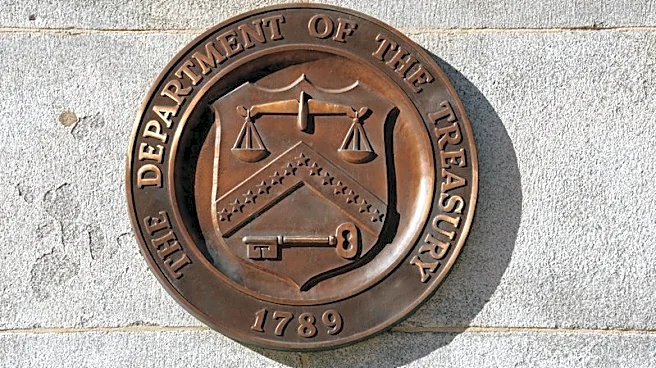
The Department of the Treasury's Office of Foreign Assets Control (OFAC) has taken several actions, including publishing an Iran-related Alert titled 'Iranian Shadow Fleet Reliance on False Flags for Sanctions Evasion.' Additionally, OFAC is issuing Venezuela-related
General License 5AA, which authorizes certain transactions related to the Petróleos de Venezuela, S.A. 2020 8.5 Percent Bond on or after December 18, 2026. An amended Frequently Asked Question, FAQ 595, has also been released. Furthermore, OFAC has updated its Specially Designated Nationals and Blocked Persons (SDN) List and the Sectoral Sanctions Identifications (SSI) List. These updates include the addition of several individuals and entities, primarily from India, Russia, and Iran, with connections to Iran-related activities, including shipping, financial services, and air transport. The designations target individuals and companies involved in facilitating sanctions evasion and supporting illicit networks.
Why It's Important?
These actions by OFAC are critical for reinforcing U.S. sanctions policy and combating illicit financial activities that undermine national security and foreign policy objectives. The Iran-related Alert highlights ongoing efforts by Iran to evade sanctions through deceptive shipping practices, which poses a significant challenge to global maritime security and the integrity of international trade. The designations of individuals and entities aim to disrupt these networks, making it more difficult for Iran to finance its activities and for other actors to engage in transactions that benefit sanctioned regimes. The amendment to the Venezuela-related General License indicates a nuanced approach to sanctions, potentially allowing for specific, authorized financial activities while maintaining broader restrictions. This demonstrates the U.S. government's commitment to using economic tools to pressure adversaries and promote compliance with international norms.
What's Next?
The issuance of the Iran-related Alert and the updated sanctions lists will likely lead to increased scrutiny of shipping and financial transactions involving entities and individuals linked to Iran. Businesses and financial institutions worldwide will need to enhance their due diligence to avoid inadvertently engaging in sanctioned activities. The U.S. government will continue to monitor compliance and may impose further sanctions on those found to be in violation. The amended Venezuela-related General License will require careful interpretation by financial institutions and investors to ensure adherence to the specified conditions. These measures are part of an ongoing strategy to exert economic pressure and counter illicit activities, and further actions or clarifications from OFAC can be expected as circumstances evolve.
Beyond the Headlines
Beyond the immediate impact on sanctioned entities, these actions underscore the broader geopolitical strategy of the U.S. to counter state-sponsored illicit activities. The focus on 'false flags' in maritime operations highlights the evolving tactics used by sanctioned regimes to circumvent international controls, necessitating continuous adaptation of enforcement mechanisms. This also raises questions about the effectiveness of current international monitoring and enforcement frameworks and the need for greater global cooperation to combat such sophisticated evasion techniques. The designations serve as a deterrent, signaling that the U.S. is prepared to impose costs on those who facilitate illicit trade and financial flows, thereby influencing the risk calculus for businesses and individuals operating in high-risk jurisdictions.