
What's Happening?
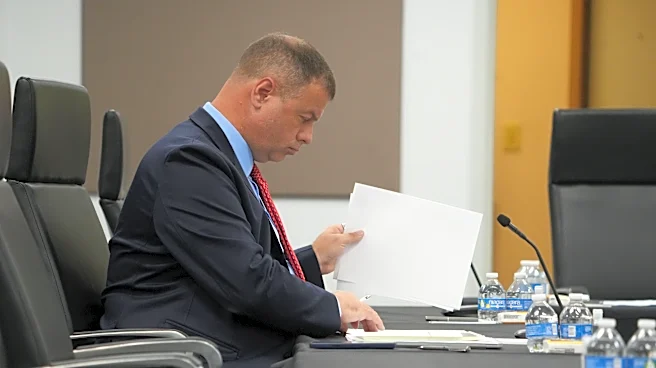
The Belgrade School District has finalized its budget plan after voters rejected a local school levy in May. This rejection resulted in a funding gap exceeding $1 million for the district. Superintendent
DeDe Semerad stated that school districts are legally required to balance their budgets, necessitating the use of allocated funds to provide instruction. To address the deficit without the levy's support, the district implemented measures such as restructuring operations, reducing staffing, and identifying other cost-saving opportunities. Semerad emphasized efforts to minimize the impact of these cuts on students. The finalized plan includes the elimination of some teaching positions, reductions in operating budgets, and other cost-cutting initiatives. Additionally, the district will increase fees for athletics and activities at both the middle and high schools in Belgrade.
Why It's Important?
The Belgrade School District's budget finalization, driven by the rejected levy, underscores the critical role of local voter support in funding public education. The over $1 million funding gap highlights the direct financial consequences when such measures fail, forcing districts to make difficult decisions that can impact educational quality and student services. The elimination of teaching positions could lead to larger class sizes or reduced course offerings, potentially affecting academic outcomes. Increased fees for athletics and activities may create financial barriers for some students, limiting their participation in extracurricular programs that are vital for holistic development and engagement. This situation reflects a broader challenge faced by school districts across the U.S. that rely on local levies to supplement state and federal funding, demonstrating how community financial decisions directly shape the educational landscape and access to opportunities for students.
What's Next?
The Belgrade School District will proceed with implementing the finalized budget cuts, including the elimination of teaching positions and reductions in operating budgets. The increased fees for middle and high school athletics and activities will also take effect. The district will likely monitor the impact of these changes on student enrollment, academic performance, and participation in extracurricular programs. There may be ongoing discussions within the community regarding future funding mechanisms for the school district, potentially leading to renewed efforts to pass a levy or explore alternative revenue streams. Parents, students, and staff will need to adapt to the new financial realities and operational adjustments within the district, which could influence future community engagement with school funding initiatives.
Beyond the Headlines
The situation in the Belgrade School District reflects a recurring tension between local taxpayer capacity and the funding needs of public education. The rejection of the levy, despite the clear financial implications for the schools, suggests a complex interplay of economic pressures on residents, differing priorities, or a lack of perceived value in the proposed spending. This scenario can lead to a cycle where budget cuts impact educational quality, potentially diminishing the community's long-term human capital and economic competitiveness. It also raises questions about equitable access to education and extracurricular activities, as increased fees might disproportionately affect lower-income families. The long-term implications could include a widening achievement gap or a decline in community engagement with public schools if residents feel their concerns are not adequately addressed in funding proposals.