


What's Happening?
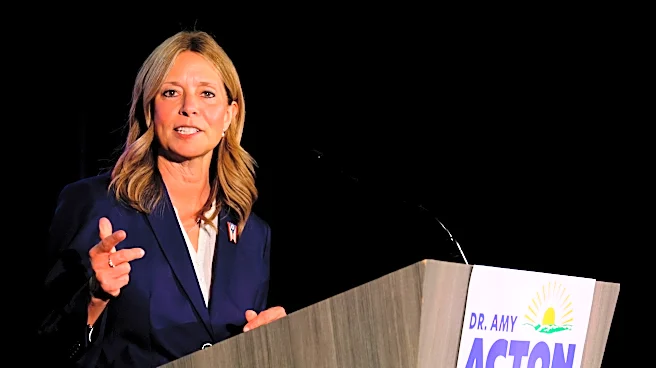
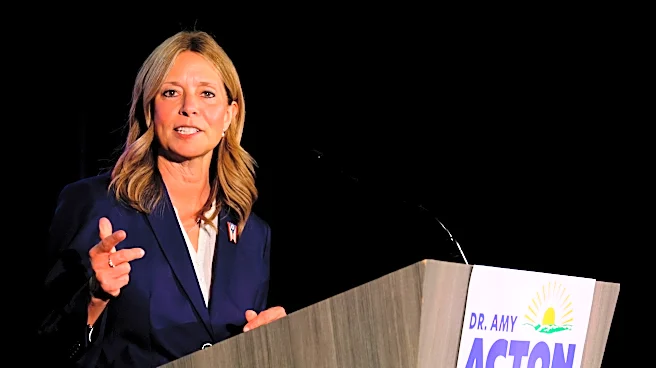
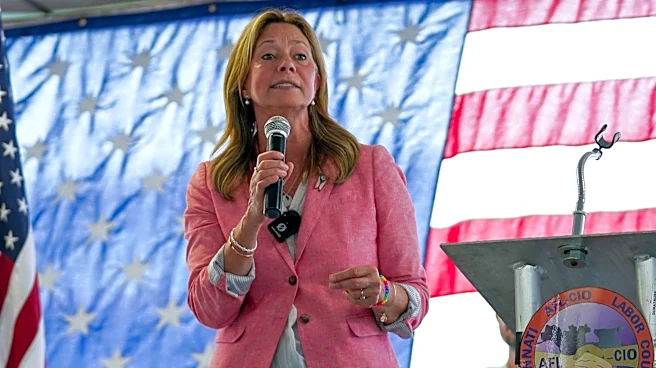
The Ohio Republican Party utilized its official social media channels to amplify attacks by conspiracy theorist Laura Loomer against Democratic Ohio gubernatorial candidate Dr. Amy Acton. This amplification occurred hours before an armed individual, Patrick
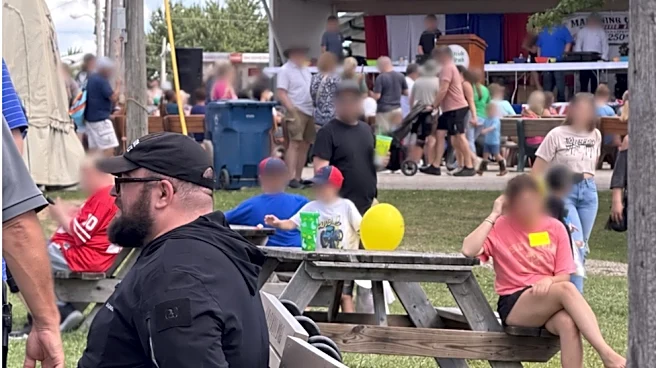
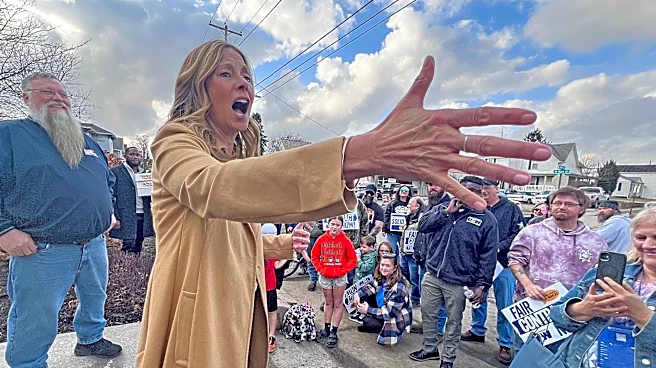
Havas, was arrested for attempting to force his way towards Acton at the Canfield Fair. Havas was found carrying a Taser, two pistols, and brass knuckles, and was subsequently booked on charges of assault and disorderly conduct. Following the incident, Loomer questioned the events, comparing Acton to Jussie Smollett and suggesting the confrontation was exaggerated to distract from her earlier, unsubstantiated allegations about Acton's sobriety. The Ohio GOP had previously credited Loomer for reporting on a 2019 domestic disturbance call involving Acton, explicitly stating, 'Loomer broke the last bombshell.' This sequence of events has drawn scrutiny regarding the state Republican Party's decision to elevate Loomer, whose rhetoric has been widely condemned.
Why It's Important?
This situation highlights the increasing role of partisan media and social media amplification in shaping political narratives, particularly concerning the spread of unverified claims and conspiracy theories. The Ohio GOP's decision to promote a figure like Laura Loomer, known for inflammatory statements and racist remarks, raises questions about the standards of discourse within political parties and their potential impact on public perception and political safety. The incident involving an armed individual at a political event, coupled with the subsequent downplaying of its severity by Loomer and the Ohio GOP, underscores the volatile environment surrounding political campaigns. This could set a precedent for how political parties engage with controversial figures and information, potentially normalizing the dissemination of unverified allegations and contributing to a climate where political figures face increased threats.
What's Next?
The Ohio Republican Party faces potential pressure to clarify its stance on amplifying Laura Loomer's content and her characterization of the Canfield Fair incident. Democratic strategists, such as Mike Nellis, have already called for all Republicans to condemn the rhetoric directed at Acton, suggesting that such language contributes to a hostile environment. Law enforcement investigations into Patrick Havas's motives are ongoing, and their findings could further influence public and political reactions. The incident may also prompt discussions about security measures at political events and the responsibility of political entities in vetting information they share. The ongoing gubernatorial race in Ohio will likely see continued debate and scrutiny over these events, potentially impacting voter perceptions of both Dr. Amy Acton and the Ohio Republican Party.
Beyond the Headlines
The incident delves into the broader implications of political polarization and the weaponization of information in modern campaigns. The explicit crediting of a conspiracy theorist by a major political party blurs the lines between legitimate journalism and partisan propaganda, potentially eroding public trust in both media and political institutions. The use of terms like 'fake news' to dismiss confirmed events, as seen in Loomer's response, further contributes to an environment where objective truth is challenged. This trend can have long-term consequences for democratic processes, making it harder for voters to discern factual information from politically motivated narratives. The incident also raises ethical questions about the responsibility of political parties to maintain a certain standard of discourse and to avoid legitimizing figures known for hate speech and misinformation.