


What's Happening?
The Indian Health Service (IHS) has awarded $15.3 million for eight staff housing projects across various tribal communities. This initiative aims to address significant healthcare workforce shortages, particularly in remote areas, by providing housing solutions
to recruit and retain essential healthcare workers. The funding, ranging from $757,000 to $3.65 million per project, is distributed through IHS’ Healthcare Facilities Construction Funds Quarters Program. IHS evaluated 22 applications from six regions, selecting eight based on factors such as housing needs, remoteness, cost-effectiveness, project readiness, and the capacity to support critical staffing levels. The agency noted that job vacancy rates in IHS facilities have exceeded 30%, with some locations like the Crow/Northern Cheyenne Hospital in Montana experiencing rates as high as 47% prior to new housing developments. The 2026 funding also mandates that these projects incorporate renewable energy, green infrastructure, and modern energy-efficiency standards to reduce environmental impact.
Why It's Important?
This allocation is crucial for improving healthcare access and quality in tribal communities, which often face disproportionate challenges in attracting and retaining medical professionals. The lack of adequate housing is a significant barrier, exacerbating existing health disparities. By investing in staff housing, IHS directly addresses a root cause of workforce shortages, enabling tribes and Native health organizations to better serve their populations. This initiative not only supports the health infrastructure but also contributes to the economic stability of these communities by creating jobs and fostering a more robust local economy. Furthermore, the requirement for environmentally sustainable construction aligns with broader national goals for climate resilience and responsible development, setting a precedent for future infrastructure projects in underserved areas. The success of these projects could serve as a model for other rural and remote regions struggling with similar workforce challenges.
What's Next?
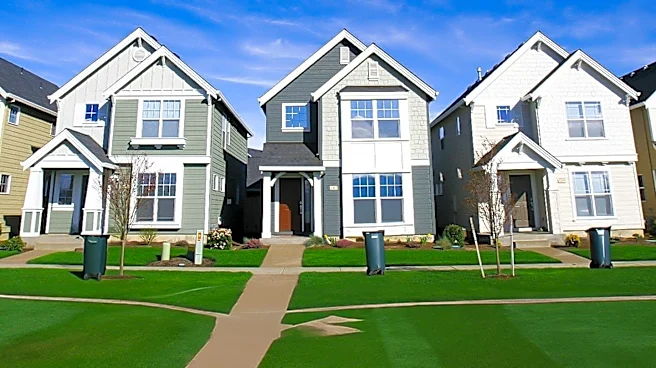
The eight selected projects will proceed with the construction or development of staff housing, with specific examples including a fourplex of one-bedroom units for the Winnebago Comprehensive Healthcare System in Nebraska and three three-bedroom, single-family homes for the Karuk Tribe in California. These developments are expected to alleviate immediate housing pressures and facilitate the recruitment of healthcare professionals. The IHS will likely monitor the impact of these housing solutions on vacancy rates and healthcare service delivery in the recipient communities. Future funding cycles for the Healthcare Facilities Construction Funds Quarters Program may be influenced by the outcomes and effectiveness of these initial projects. Additionally, the emphasis on green building standards could lead to further integration of sustainable practices in subsequent IHS-funded initiatives, potentially influencing broader construction trends in tribal lands.
Beyond the Headlines
The initiative highlights a deeper systemic issue: the chronic underfunding and neglect of infrastructure in tribal communities, particularly in healthcare. While providing housing is a vital step, it also underscores the need for comprehensive, long-term strategies to address the multifaceted challenges faced by Native American populations, including economic development, educational opportunities, and access to essential services. The focus on empowering tribes to manage these projects also reflects a shift towards greater self-determination and local control in addressing community needs. This approach can foster stronger, more resilient tribal nations capable of developing tailored solutions that respect their unique cultural contexts. The success of these projects could also inspire other federal agencies and philanthropic organizations to adopt similar place-based, community-driven investment models in underserved regions across the U.S.