



What's Happening?
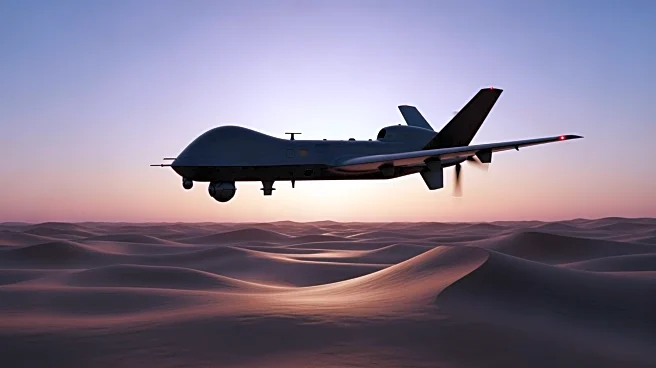
The U.S. military has conducted extensive drone strikes targeting Houthi rebel positions in Yemen, as part of efforts to counter Houthi attacks on commercial shipping in the Red Sea. These operations, which have cost over $1 billion, have not significantly
altered the control Houthis maintain over parts of Yemen. The strikes are part of a broader U.S. strategy under President Trump's administration, which emphasizes military interventions without long-term commitments. Despite the financial and strategic efforts, the Houthis continue to control key areas, and commercial shipping routes remain threatened.
Why It's Important?
The ongoing U.S. military operations in Yemen highlight the complexities of international military interventions and their limited effectiveness in altering on-ground realities. The financial burden of these operations raises questions about the strategic value and long-term impact of such interventions. The situation underscores the challenges the U.S. faces in balancing its 'America First' policy with international security commitments. The continued Houthi control and the threat to commercial shipping routes have broader implications for international trade and regional stability, affecting both U.S. and European interests.
What's Next?
The U.S. may need to reassess its strategy in Yemen, considering the limited success of military interventions. Potential diplomatic engagements or partnerships with regional allies could be explored to stabilize the region. The ongoing situation may prompt further discussions within the U.S. government regarding the allocation of resources and the strategic objectives of military operations abroad.