







What's Happening?
Homeowners are being advised to regularly inspect their properties for pests to prevent significant damage and potential health issues. Pests such as termites and rats can cause extensive structural damage to homes and contaminate food, posing risks to inhabitants'
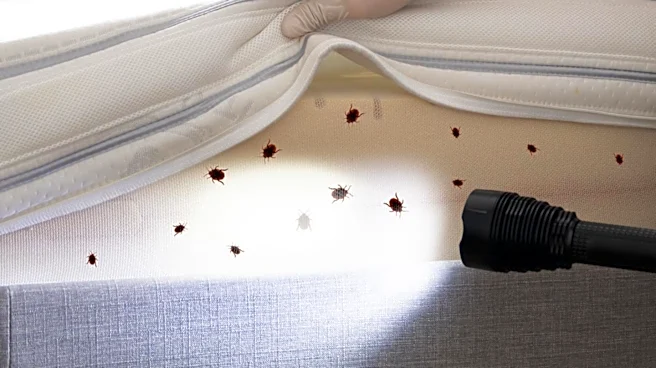
health. Early detection is crucial to mitigate these problems before they escalate into larger, more costly infestations. Key areas for inspection include the kitchen, basement, attic, outdoor spaces, and entry points like windows and doors. In the kitchen, common pests like ants and cockroaches are attracted to food crumbs and spills, necessitating checks in cabinets, under sinks, and behind appliances. Basements, being dark and damp, are prone to rodents and bugs, requiring vigilance for droppings, nests, and entry points like cracks in walls. Attics, often overlooked, can harbor squirrels, bats, and birds, indicated by unusual noises or bite marks. Outdoor areas, particularly around rubbish bins and compost piles, can become pest hotspots if not properly maintained. Furthermore, even small gaps around windows and doors can serve as entry points for various pests, emphasizing the need for regular checks of weather-stripping and seals. Plumbing issues, such as leaks, also create damp environments that attract pests, making regular plumbing inspections vital.
Why It's Important?
The proactive approach to pest control outlined in the recommendations is vital for U.S. homeowners due to the substantial financial and health implications of infestations. Unchecked pest activity can lead to costly structural repairs, devaluation of property, and significant expenses for professional extermination services. For instance, termite damage alone can run into thousands of dollars, often not covered by standard homeowner's insurance. Beyond financial burdens, pests like rodents and cockroaches are carriers of diseases, allergens, and bacteria, posing serious health risks to families, particularly children and individuals with compromised immune systems. Contaminated food and surfaces can lead to foodborne illnesses and respiratory problems. By emphasizing regular inspections and preventive measures, homeowners can safeguard their investments and ensure a healthier living environment. This guidance also highlights the importance of maintaining home infrastructure, such as plumbing and sealing entry points, which contributes to overall home longevity and reduces the likelihood of recurring pest problems. Ultimately, adopting these practices can save homeowners considerable stress, money, and health concerns in the long run.
What's Next?
Homeowners are encouraged to implement a routine schedule for inspecting their homes, focusing on the identified high-risk areas. This includes checking kitchen cabinets, under sinks, and behind appliances for signs of pests, as well as regularly inspecting basements for droppings or nests. Attics should be checked for unusual noises or bite marks in insulation, and outdoor areas, especially around waste disposal, need consistent tidying and secure lids. Furthermore, homeowners should routinely examine windows and doors for gaps, worn weather-stripping, or cracks that could serve as pest entry points. Addressing plumbing leaks promptly is also a critical next step to eliminate damp attractants. If signs of pests are detected, immediate action is advised, ranging from implementing simple preventive measures like sealing cracks and storing food in sealed containers, to seeking professional assistance from plumbers or pest control services for persistent or severe infestations. Regular professional check-ups for plumbing and pest control can also be considered as a long-term strategy to maintain a pest-free home.
Beyond the Headlines
The emphasis on regular home inspections for pests extends beyond immediate damage prevention, touching upon broader aspects of home maintenance and public health. The recommendations underscore a shift towards proactive home management, where homeowners are empowered to identify and address potential issues before they escalate. This approach fosters a greater sense of responsibility and awareness regarding the living environment. Ethically, preventing pest infestations contributes to community well-being by reducing the spread of diseases and allergens that can impact public health. From a societal perspective, widespread adoption of these practices could lead to a reduction in pest-related health crises and a decrease in the demand for reactive, often chemical-intensive, pest control methods. Culturally, it reinforces the value of a well-maintained home as a sanctuary, free from the discomfort and health risks associated with pests. The long-term implication is a more resilient and healthier housing stock across the U.S., with homeowners better equipped to protect their properties and families.