








What's Happening?
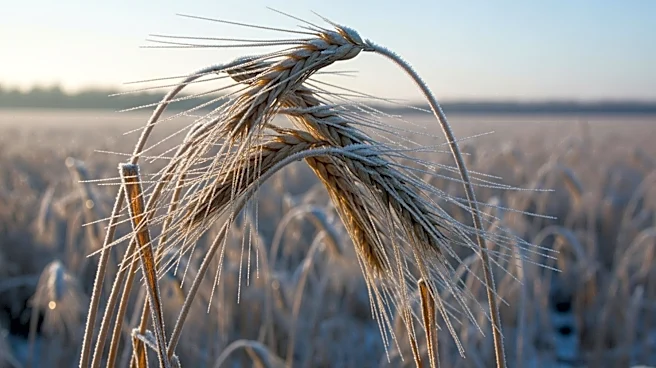
State officials in Pennsylvania are urging the federal government to provide disaster assistance to farmers affected by a severe freeze in April. The freeze, which followed several weeks of warm weather, caused significant damage to fruit crops such as peaches,
cherries, and apples, with some farmers experiencing near-total losses. Governor Josh Shapiro has requested a federal disaster designation to facilitate aid and expedite damage assessments, allowing growers to file crop insurance claims. The economic impact on the state's special crop industry is estimated to be between $150 million and $200 million. The freeze has jeopardized the livelihoods of farmers and the stability of family farms across the state.
Why It's Important?
The freeze has far-reaching implications for Pennsylvania's agricultural sector, which is a vital component of the state's economy. The losses threaten not only the immediate financial stability of farmers but also the broader agricultural supply chain, including local economies, farm markets, and processing facilities. The call for federal aid highlights the need for swift government intervention to mitigate the economic fallout and support the recovery of affected communities. The situation underscores the vulnerability of agriculture to climate-related events and the importance of developing long-term strategies to enhance resilience against such occurrences.
What's Next?
Governor Shapiro and state officials are working with Penn State Extension to gather early industry assessments and are exploring legislative measures to support farmers. The state is also promoting the Agricultural Innovation Grant Program to help farmers prepare for severe weather events. As the situation develops, the response from the federal government will be crucial in determining the extent of recovery efforts. Farmers and stakeholders are encouraged to report losses and seek available resources to manage the crisis.
Beyond the Headlines
The freeze incident highlights the broader challenges faced by the agricultural sector, including rising costs of inputs like diesel fuel and fertilizer, exacerbated by geopolitical tensions such as the Iran War. The event serves as a reminder of the interconnectedness of global events and local agricultural practices, emphasizing the need for comprehensive risk management and adaptation strategies in the face of climate change.