





What's Happening?
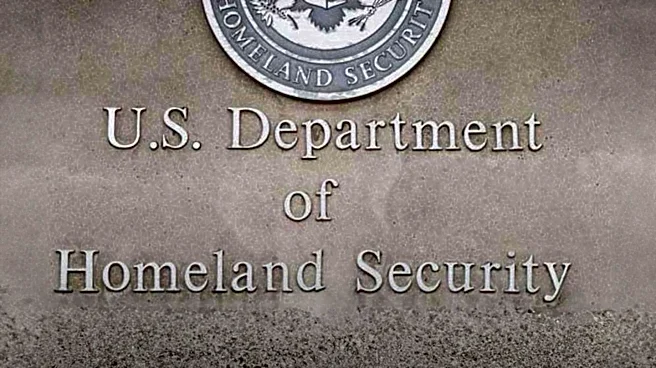
The Department of Homeland Security (DHS) is a cabinet-level agency of the United States government, created in 2002 following the September 11 attacks. Its primary mission is to protect the country from terrorism, respond to natural disasters, and secure
borders and transportation systems. DHS was formed to consolidate responsibilities previously spread across multiple federal departments, aiming to improve coordination and information sharing. Before its establishment, agencies like the Immigration and Naturalization Service, predecessor agencies to the Transportation Security Administration, and parts of the Coast Guard operated with limited coordination. Former Secretary Tom Ridge, the first Secretary of Homeland Security, articulated the goal of building a more coordinated and effective approach to national safeguarding. The department acts as a central hub for threat analysis, resource deployment, and policy implementation across a broad spectrum of security and emergency management responsibilities.
Why It's Important?
The creation of DHS represents a significant restructuring of the U.S. federal government's approach to national security. By bringing numerous agencies under one umbrella, the department aims to mitigate the intelligence and operational failures identified after the September 11 attacks. This consolidation is crucial for enhancing the nation's ability to respond to complex threats, ranging from terrorism to natural disasters. The integrated structure allows for better information flow and coordinated action among diverse entities such as Customs and Border Protection (CBP), Immigration and Customs Enforcement (ICE), the Transportation Security Administration (TSA), and the Federal Emergency Management Agency (FEMA). This unified approach is intended to streamline decision-making and resource allocation, ultimately strengthening the country's defense against both man-made and natural hazards, impacting public safety and national security across the United States.
What's Next?
DHS continues to evolve its strategies to address emerging threats, including cyberattacks, disinformation campaigns, and climate-related disasters. The department is expected to refine its operational methods, incorporate new tools for risk analysis, and strengthen partnerships with state, local, and private sector entities. Ongoing challenges involve balancing security measures with civil liberties and managing resources across its diverse mission areas. Congressional committees and inspectors general provide oversight to ensure compliance with laws and policies. Future developments will likely include further technological upgrades, enhanced workforce training, and interagency agreements designed to improve efficiency and public trust. The department's adaptability to a changing threat landscape will be critical in its ongoing efforts to protect American citizens and infrastructure.
Beyond the Headlines
The establishment of DHS has profound implications for the balance between national security and civil liberties in the United States. The broad powers granted to the department and its component agencies, particularly in areas like surveillance, border enforcement, and data collection, raise ongoing debates about privacy and individual rights. The integration of law enforcement, intelligence, and response functions under one department also signifies a long-term shift in governmental structure, emphasizing a more centralized approach to security. Public perception of DHS is often shaped by individual interactions with its agencies, such as airport security screenings or immigration enforcement, highlighting the department's direct impact on daily life. The ethical and legal frameworks governing DHS operations will continue to be scrutinized as the department adapts to new challenges and technologies.