

What's Happening?
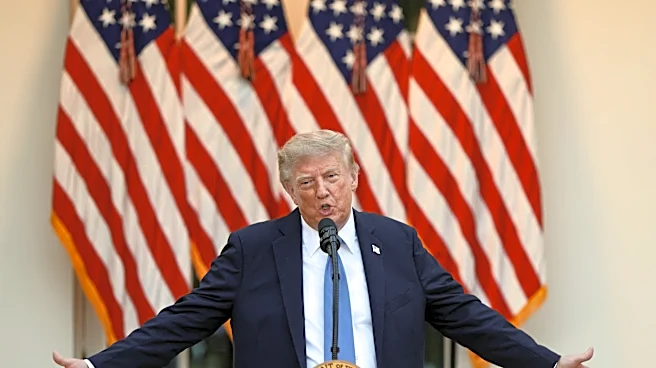
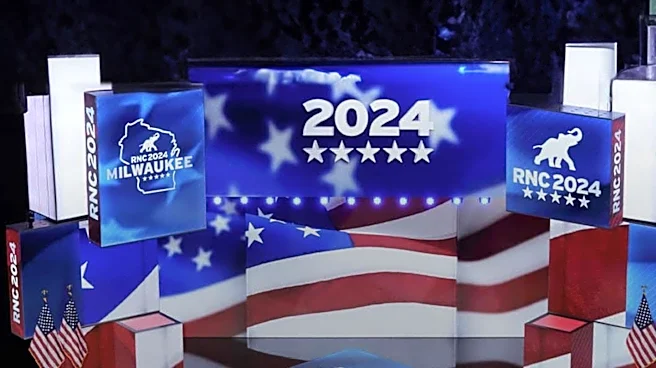
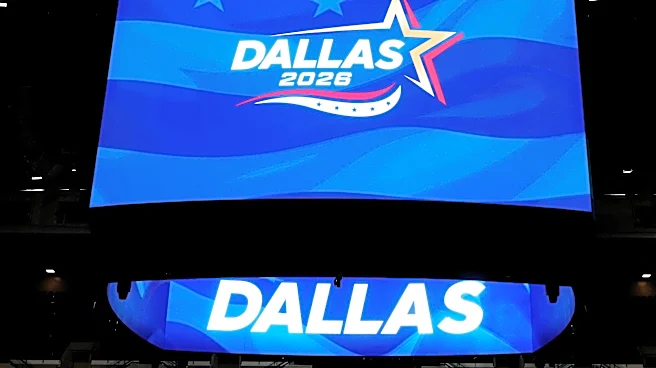
President Trump's inaugural midterm GOP convention in Dallas is facing challenges in securing significant airtime from mainstream television networks. The two-day event, featuring fundraising, workshops, and speeches by President Trump, coincides with
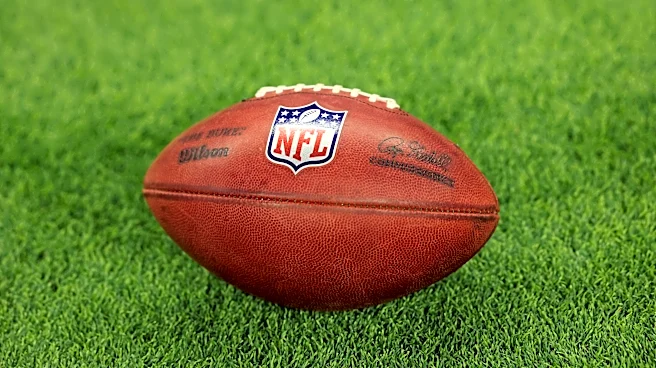
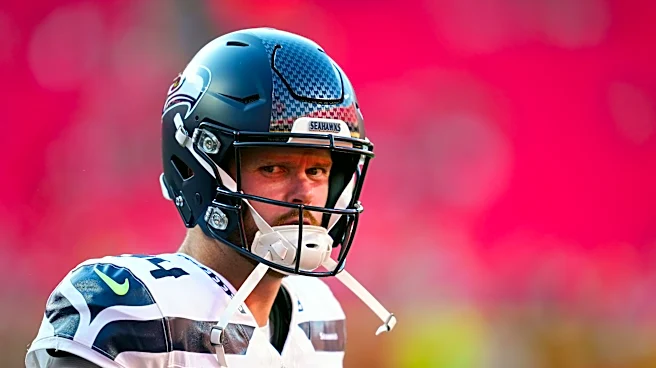
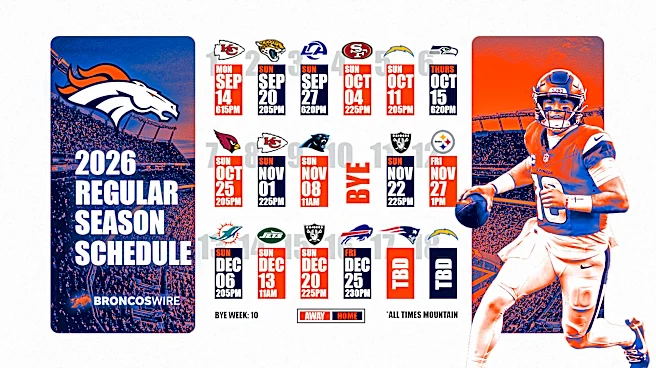
the opening games of the NFL season. Specifically, Wednesday's convention activities will compete with a Super Bowl rematch between the New England Patriots and the Seattle Seahawks on NBC, while Thursday's events will go head-to-head with the San Francisco 49ers versus the Los Angeles Rams game streamed on Netflix. While C-SPAN will offer comprehensive coverage and Fox News plans extensive live programming from the site, other major networks like ABC, NBC, and CBS have remained vague about their coverage plans, with some indicating only on-the-ground reporting rather than major broadcasts.
Why It's Important?
The reluctance of mainstream TV networks to commit to extensive coverage of the GOP midterm convention highlights the evolving landscape of political media and viewership. The direct competition with popular NFL games underscores the challenge political events face in capturing broad public attention, especially when not featuring a presidential nomination. For the Republican Party, this could limit the reach of their message to a national audience, potentially impacting their efforts to promote congressional candidates and rally support ahead of the midterm elections. The RNC's confidence in President Trump's 'ratings gold' appeal suggests a reliance on his personal draw, but the lack of widespread network coverage could still hinder the convention's ability to shape public discourse beyond conservative media outlets. This situation also reflects a broader trend of declining viewership for traditional political conventions, even for presidential elections.
What's Next?
The GOP midterm convention will proceed as planned in Dallas, with President Trump scheduled to speak each night. Despite the limited mainstream TV coverage, the Republican National Committee (RNC) anticipates a significant audience, particularly through C-SPAN, Fox News, and various social media platforms and conservative networks like Rumble, Newsmax, and OAN. The success of the convention in reaching its target audience will depend heavily on these alternative channels and the RNC's ability to generate online engagement. For mainstream networks, their decision to prioritize NFL games over political convention coverage may set a precedent for future political events, especially those outside of presidential election cycles. The outcome of the midterm elections will ultimately reveal the effectiveness of the convention's outreach strategy despite the broadcast challenges.
Beyond the Headlines
This situation reveals a deeper shift in how political parties engage with the public and how media outlets prioritize content. The characterization of the event as more of a 'Trump rally' than a traditional party convention by some strategists suggests a move away from broad-based party messaging towards a more personality-driven political spectacle. This could further polarize media consumption, with dedicated political audiences tuning into specific channels while a wider audience remains engaged with entertainment and sports. The reliance on social media and conservative networks for dissemination also indicates a fragmentation of the media landscape, where political messages are increasingly tailored and consumed within ideological echo chambers. This trend has long-term implications for democratic discourse, potentially making it harder for political parties to reach undecided voters and foster a shared understanding of national issues.