
What's Happening?
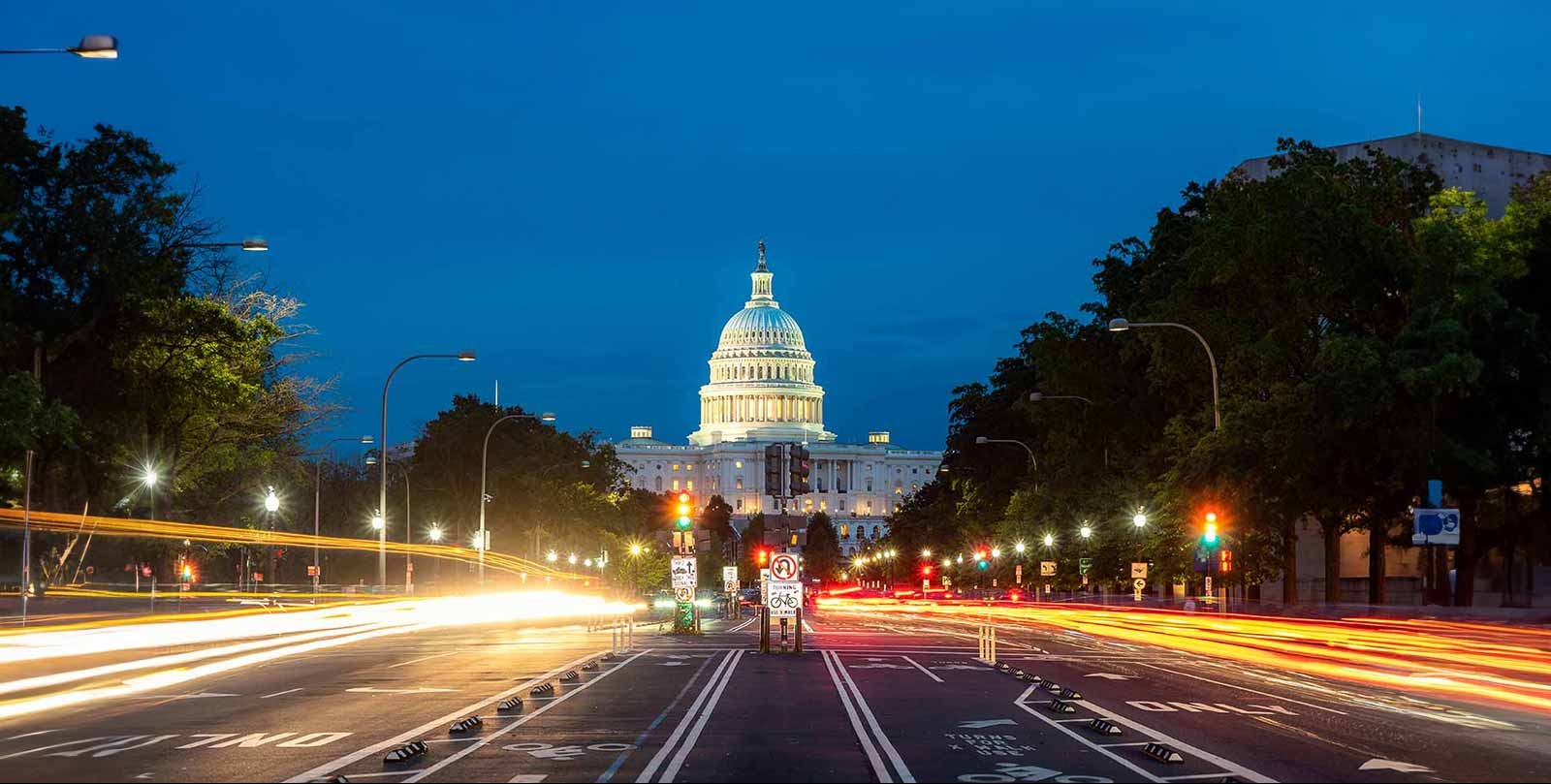
The Trump administration has reversed federal support for renewable energy projects, labeling them as risky and unreliable. This policy shift has led to the cancellation of over $426 million in federal grants
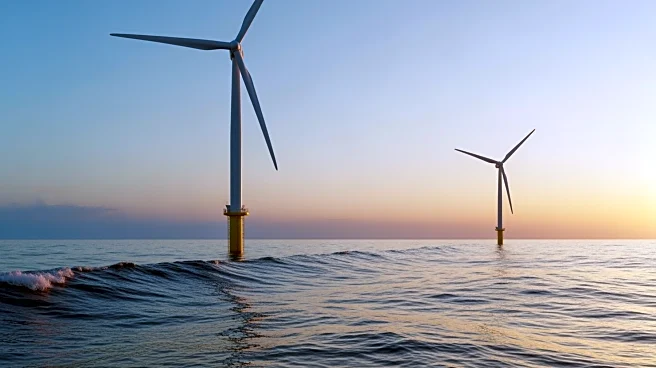
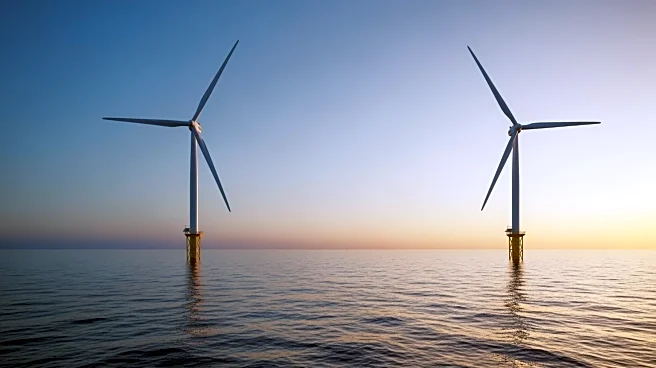
for projects like the offshore wind turbines planned off the coast of Humboldt Bay, California. The administration's actions have halted progress on numerous renewable energy initiatives, including the termination of tax incentives for wind and solar industries. This move contrasts sharply with China's aggressive investment in renewable energy, where it now dominates the global market. China's strategic investments in solar and wind technologies have positioned it as a leader in the global fight against climate change, while the U.S. is stepping back from its previous commitments.
Why It's Important?
The U.S. government's rollback of renewable energy support could have significant economic and environmental consequences. The renewable energy sector has been a key driver of job growth, with clean energy jobs growing three times faster than the rest of the workforce. The cancellation of federal support threatens thousands of projects and could slow the transition to cleaner energy sources. This policy shift also places the U.S. at a disadvantage in the global renewable energy market, where China is rapidly expanding its influence. The U.S. risks losing its competitive edge in clean technology innovation and manufacturing, potentially impacting its long-term economic growth and environmental goals.
What's Next?
The future of U.S. renewable energy projects remains uncertain as the Trump administration continues to dismantle federal support. Stakeholders in the renewable energy sector may seek alternative funding sources or advocate for policy changes to restore support for clean energy initiatives. The international community will likely continue to monitor the U.S.'s stance on renewable energy, as it plays a crucial role in global efforts to combat climate change. The upcoming political landscape and potential changes in administration could also influence the direction of U.S. energy policy.