





What's Happening?
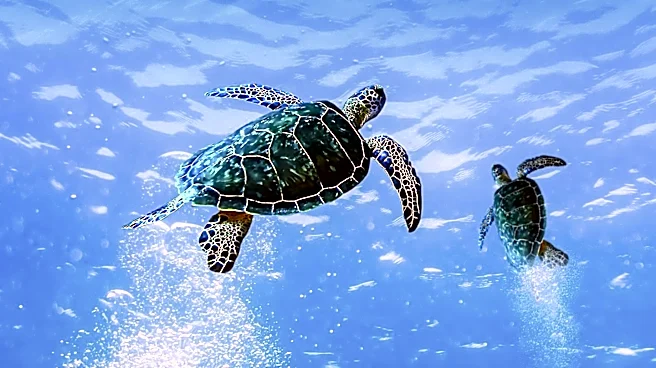
Two loggerhead sea turtles, Sophia and Liberty, have died at the East Coast Zoological Foundation’s Sea Turtle Rehabilitation Center at Brevard Zoo due to severe injuries caused by abandoned fishing gear. A third turtle, Falafel, is making "guarded progress"
after undergoing a flipper amputation. Sophia, a 140-pound loggerhead, arrived in May with a fishing line and hook in her mouth and 18 more hooks in her digestive tract, believed to be from frequently ingesting discarded fishing snacks. Despite efforts by the Brevard Zoo and an Orlando Health Melbourne Hospital gastroenterologist, Sophia's gastrointestinal tract was irreparably damaged, leading to her humane euthanasia. Liberty, a 210-pound adult with eggs, was admitted during Fourth of July weekend with braided fishing line wrapped around her neck and front flippers, which also entangled a dead turtle. The damage to Liberty's flippers was too extensive for her to return to the ocean, resulting in her euthanasia. Falafel, found with fishing line constricting blood flow to its front left flipper and entangled in "ghost gear," required a flipper amputation but is now recovering with plans for release. The Brevard Zoo is raising awareness about the dangers of derelict fishing gear to marine life.
Why It's Important?
This tragic incident highlights the devastating impact of abandoned fishing gear, often referred to as "ghost gear," on marine wildlife, particularly endangered species like loggerhead sea turtles. The deaths of Sophia and Liberty, and the severe injury to Falafel, underscore a critical environmental issue that affects ocean ecosystems globally. For the U.S., especially coastal states like Florida, the health of marine life is intrinsically linked to tourism, local economies, and ecological balance. The Brevard Zoo's efforts to raise awareness are crucial for promoting responsible fishing practices and encouraging public participation in marine conservation. The incident also puts a spotlight on the challenges faced by wildlife rehabilitation centers, which often deal with preventable injuries caused by human negligence. The long-term implications include potential declines in sea turtle populations, disruption of marine food webs, and increased costs for rescue and rehabilitation efforts.
What's Next?
The Brevard Zoo will continue its efforts to raise public awareness about the dangers of derelict fishing gear and encourage responsible practices among anglers, divers, and beachgoers. This includes urging individuals to properly dispose of trash, remove abandoned fishing gear, and consider not fishing if sea turtles are present. The recovery of Falafel will be closely monitored, with the ultimate goal of returning the turtle to the ocean. This incident may also prompt local and state authorities to review and potentially strengthen regulations regarding fishing gear disposal and marine debris cleanup initiatives. Community clean-up drives and educational programs are likely to gain renewed emphasis to mitigate future harm to marine life. The zoo's call to action aims to foster a collective responsibility for protecting marine environments.
Beyond the Headlines
The deaths of these loggerhead sea turtles transcend a simple news story, revealing deeper ethical and environmental considerations. It brings to the forefront the concept of human responsibility for the unintended consequences of our actions on the natural world. The term "ghost gear" itself evokes a haunting image of human-made objects continuing to cause harm long after they are discarded, acting as silent killers in the ocean. This incident also highlights the interconnectedness of ecosystems; what happens in one part of the marine environment can have ripple effects on various species and their habitats. Culturally, it challenges society to re-evaluate its relationship with the environment and consider the long-term impact of consumer habits and recreational activities. The story serves as a poignant reminder that conservation is not just about grand policies but also about individual choices and collective stewardship.