







What's Happening?
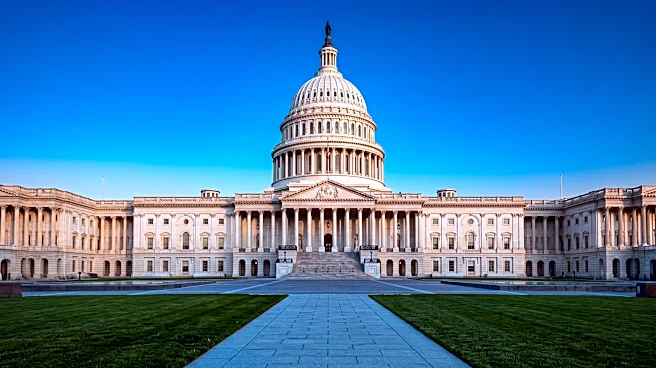
Prevent Blindness is leveraging World Sight Day activities to advocate for the Early Detection of Vision Impairments for Children (EDVI) Act, HR 2527. This bipartisan bill is co-led by Congressional Vision Caucus co-chairs Reps. Gus Bilirakis (R-Fla.)
and Marc A. Veasey (D-Texas). The proposed legislation aims to establish a federal program specifically dedicated to children's vision and eye health, focusing on coordinated systems of care. Prevent Blindness plans to launch an advocacy campaign to encourage partners to disseminate information about the bill and urge members of Congress to support its sponsorship. Currently, over 115 organizations have publicly endorsed the legislation. In addition to legislative advocacy, Prevent Blindness is organizing various World Sight Day activities, including vision screenings, educational programs, and professional resources. These efforts also include a new continuing education opportunity for optometrists, with Children’s Wisconsin launching a 'Safeguarding Sight: Pediatric Optometry Lecture Series' on October 8, sponsored by the National Center for Children’s Vision and Eye Health at Prevent Blindness (NCCVEH) and Prevent Blindness Wisconsin. A World Sight Day toolkit, developed in partnership with the National Association of School Nurses, is also being offered for teachers, parents, school nurses, and staff.
Why It's Important?
The EDVI Act addresses a critical public health need by focusing on the early detection and treatment of vision impairments in children. Uncorrected vision problems can significantly impact a child's development, academic performance, and overall quality of life. By establishing a federal program for children's vision and eye health, the legislation could lead to more standardized and accessible care across the United States. This initiative has the potential to reduce long-term health disparities and improve educational outcomes for countless children. The broad support from over 115 organizations underscores the recognized importance of this issue within the healthcare and educational communities. Furthermore, the involvement of Prevent Blindness and its partners in providing educational resources and screenings highlights a proactive approach to public health, aiming to empower parents and educators with the tools to identify potential vision issues early. The continuing education opportunities for optometrists also signify a commitment to enhancing the expertise of healthcare professionals in pediatric optometry, which is crucial for effective implementation of such a program.
What's Next?
Prevent Blindness will continue its advocacy campaign, encouraging partners to promote information about the EDVI Act and urging members of Congress to support the legislation. The organization plans to coordinate efforts to secure additional sponsorship for the bill. Concurrently, World Sight Day activities, including vision screenings and educational programs, will proceed as planned. The 'Safeguarding Sight: Pediatric Optometry Lecture Series' for optometrists will launch on October 8, offering continuing education credits. Delta Gamma’s annual 'Do Good Week,' encompassing both World Sight Day and White Cane Awareness Day, will take place from October 8 to 15, further raising awareness. Prevent Blindness affiliates and program partners will also continue to provide eye health education and certified vision screenings nationwide. The ongoing efforts aim to build momentum for the EDVI Act and ensure its passage, which would then lead to the establishment and implementation of the federal program for children's vision and eye health.
Beyond the Headlines
The bipartisan nature of the EDVI Act, co-led by representatives from opposing parties, signals a potential for collaborative legislative action on public health issues, even in a politically divided climate. This cooperation highlights the universal recognition of children's health as a non-partisan priority. Beyond the immediate impact on vision health, the establishment of a coordinated federal program could serve as a model for addressing other pediatric health concerns that require early intervention and comprehensive care. The emphasis on coordinated systems of care suggests a shift towards a more integrated approach to healthcare delivery for children, potentially bridging gaps between medical, educational, and community services. This initiative also underscores the growing understanding of the long-term societal benefits of investing in early childhood health, as healthy vision is fundamental to learning and development, ultimately contributing to a more productive and engaged citizenry. The involvement of various organizations, from medical professionals to school nurses, reflects a holistic community-based approach to health advocacy.