
What's Happening?
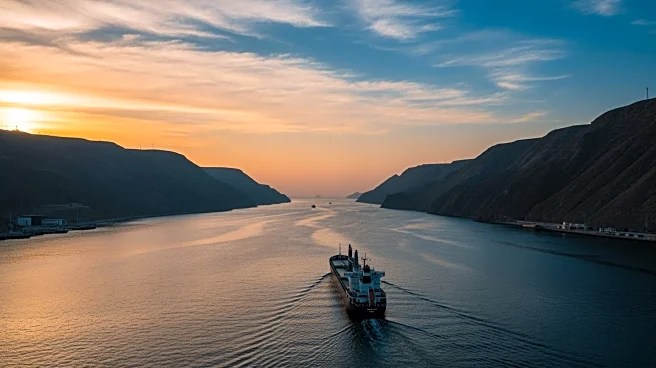
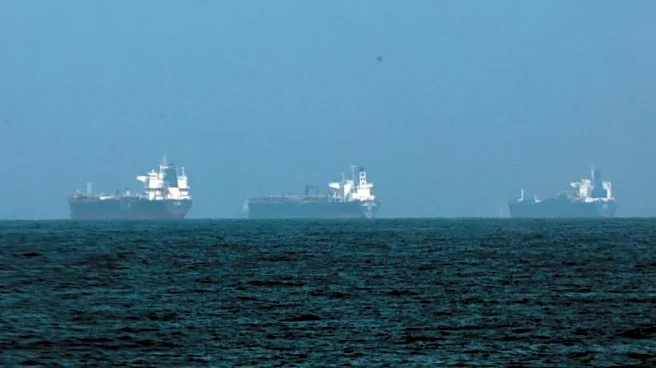
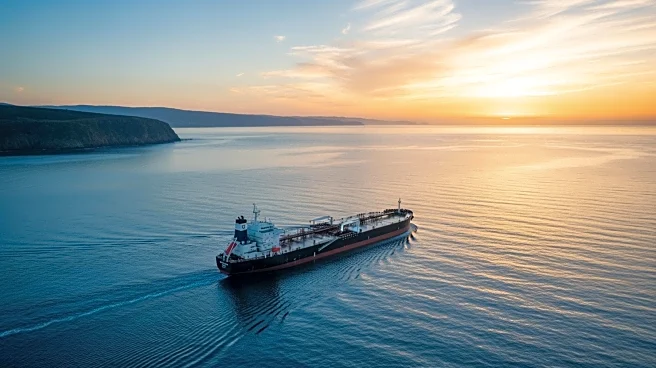
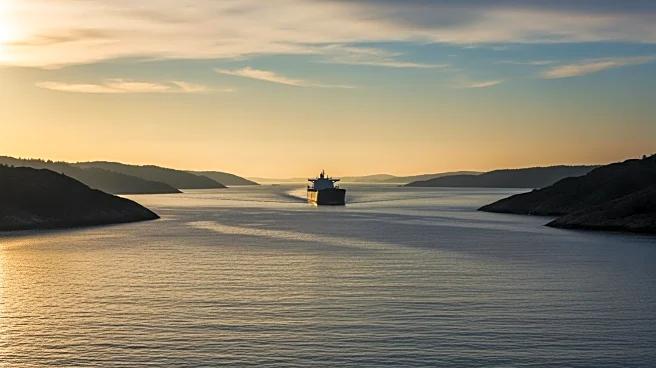
Saudi Aramco is rerouting its crude oil shipments from the Strait of Hormuz to the Red Sea via Yanbu, utilizing the East-West pipeline. This strategic move comes as tanker rates out of the Red Sea have more than doubled due to hesitancy from shippers
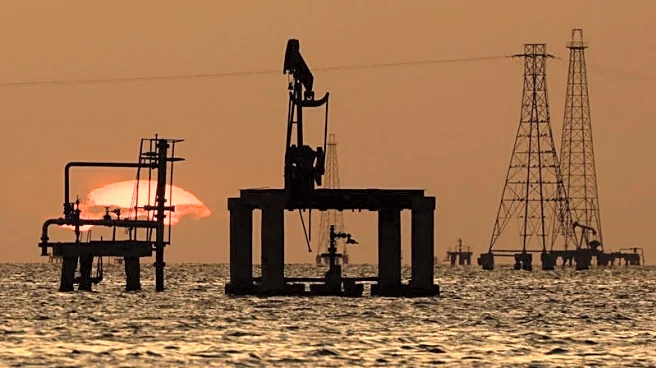
operating in a region shaped by conflict. The pipeline's capacity is higher than Yanbu's handling capacity, which has never exceeded 1.5 million barrels per day. This rerouting is part of a broader shift in global trade alignments, with countries seeking new economic partnerships amid geopolitical tensions. Additionally, Venezuelan oil exports have seen a significant directional shift, with shipments to China decreasing and exports to the United States and Europe increasing.
Why It's Important?
The rerouting of Saudi Aramco's crude oil shipments signifies a major reconfiguration of global energy routes, impacting the global economy. This shift highlights the vulnerabilities in traditional trade corridors and the need for countries to adapt to changing geopolitical landscapes. The decrease in Venezuelan oil exports to China and the increase to the U.S. and Europe reflect a shift in trade dependencies, which could have long-term implications for global alliances and economic stability. These changes underscore the importance of strategic planning and diversification in international trade to mitigate risks associated with geopolitical tensions.
What's Next?
As global trade alignments continue to shift, countries may seek to establish new trade agreements and partnerships to secure their economic interests. Saudi Aramco's rerouting strategy may prompt other nations to reconsider their reliance on traditional trade routes and explore alternative pathways. The ongoing geopolitical tensions could lead to further disruptions in global energy markets, prompting countries to invest in infrastructure and technology to enhance their resilience. Additionally, the shift in Venezuelan oil exports may influence future trade negotiations and diplomatic relations between the involved countries.
Beyond the Headlines
The strategic rerouting of crude oil by Saudi Aramco and the shift in Venezuelan oil exports highlight the complex interplay between geopolitics and global trade. These developments may lead to a reevaluation of existing trade policies and alliances, as countries seek to balance economic interests with geopolitical considerations. The reliance on specific trade routes and partners may become increasingly scrutinized, prompting nations to diversify their trade strategies to ensure long-term stability and security. This evolving landscape may also influence global energy prices and market dynamics, affecting industries and consumers worldwide.