



What's Happening?
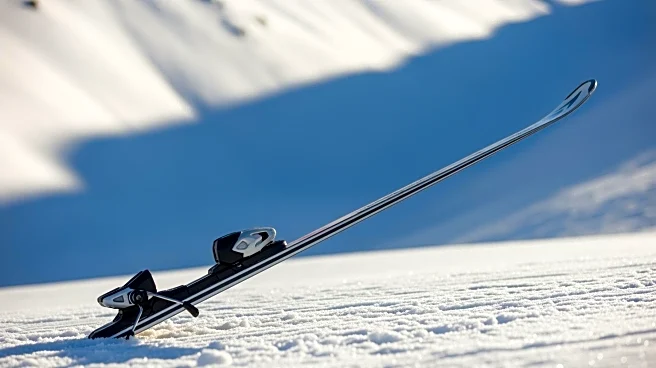
An avalanche occurred in Italy's South Tyrol region, specifically on the slopes of Hohe Ferse near Ratschings, resulting in the deaths of two skiers. The avalanche, which took place at an altitude of approximately 2,400 meters, trapped 25 skiers. The incident
led to a significant rescue operation involving six helicopters and around 80 rescuers from various organizations, including the CNSAS, the Alpine Association, police, and firefighters. This season has seen an unusually high number of avalanche-related deaths, with 127 fatalities reported across Europe, including 33 in Italy. Experts attribute the increased avalanche risk to unstable snowpacks caused by rising temperatures and stronger winds.
Why It's Important?
The avalanche highlights the growing risks associated with climate change, as rising temperatures and stronger winds contribute to snow instability. This poses significant dangers to winter sports enthusiasts and impacts the tourism industry in alpine regions. The increased frequency of avalanches could lead to stricter safety regulations and impact the economic viability of ski resorts. Additionally, the incident underscores the importance of effective emergency response systems and international cooperation in rescue operations.
What's Next?
Authorities may consider implementing stricter safety measures and monitoring systems to prevent future incidents. There could be increased emphasis on educating skiers about the risks of off-piste skiing and the importance of adhering to safety guidelines. The tourism industry in alpine regions may need to adapt to changing climate conditions by investing in infrastructure that can withstand extreme weather events.
Beyond the Headlines
The incident raises broader questions about the sustainability of winter sports in the face of climate change. As weather patterns become more unpredictable, the traditional winter sports season may be shortened, affecting local economies dependent on tourism. This could lead to a shift towards more sustainable tourism practices and the development of alternative recreational activities that are less dependent on snow conditions.