







What's Happening?
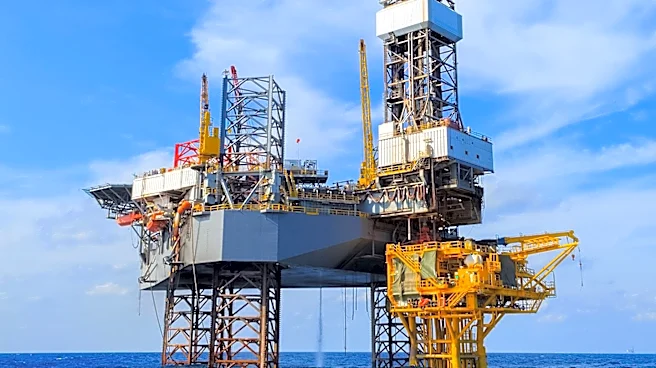
Incidents involving Gerbera-type drones are increasingly affecting maritime security and strategic infrastructure near NATO's eastern Black Sea members, specifically Romania and Bulgaria. On August 26, a naval drone was spotted near Romania’s Neptun Deep
offshore gas project, prompting Romanian authorities to deploy F-16 fighter jets to destroy it. Earlier, on August 11, Romanian army divers neutralized two Gerbera-type drones found drifting in the country's Black Sea exclusive economic zone, also near the Neptun Deep project. The Neptun Deep project, jointly owned by OMV Petrom and Romgaz, is projected to make Romania the European Union’s largest gas producer next year. These drone sightings and attacks highlight the vulnerability of critical maritime and energy infrastructure in the region, as the conflict between Russia and Ukraine continues to escalate. The incidents extend beyond energy infrastructure, with numerous attacks on commercial vessels in recent weeks, resulting in damaged or sunken ships and casualties among crew members.
Why It's Important?
The escalating drone incidents in the Black Sea region carry significant implications for U.S. and NATO security interests, particularly concerning energy supply and regional stability. Romania and Bulgaria, as NATO members, are directly impacted by these threats, which could potentially draw the alliance deeper into the conflict. The Neptun Deep gas project, a crucial energy asset for the European Union, faces direct threats, which could disrupt energy supplies and impact European energy security. The involvement of Gerbera-type drones, some of which are believed to be Russian, raises concerns about the deliberate targeting of civilian infrastructure and commercial shipping. This situation underscores the need for enhanced maritime security measures and intelligence sharing among NATO allies to protect vital economic interests and prevent further escalation of the conflict in a strategically important region.
What's Next?
The continued threat from Gerbera-type drones and other unmanned vessels will likely necessitate increased vigilance and defensive measures from NATO members in the Black Sea. Romania and Bulgaria will need to bolster their maritime and aerial surveillance capabilities to detect and neutralize these threats effectively. There may be calls for greater NATO coordination and support in protecting critical infrastructure and commercial shipping lanes. The incidents could also prompt further discussions within NATO regarding rules of engagement for unmanned systems operating near allied territories and economic zones. The ongoing conflict in Ukraine and its spillover effects into the Black Sea will continue to shape regional security dynamics, potentially leading to more sophisticated countermeasures and defensive strategies from affected nations.
Beyond the Headlines
The use of Gerbera-type drones in the Black Sea highlights a broader trend of evolving warfare, where unmanned systems are increasingly employed to target both military and civilian assets. The incidents near the Neptun Deep project underscore the growing vulnerability of offshore energy infrastructure to asymmetric threats. This development could lead to a re-evaluation of security protocols and investment in advanced defense systems for critical energy assets globally. Furthermore, the presence of these drones in international waters and exclusive economic zones raises complex legal and ethical questions regarding sovereignty, self-defense, and the attribution of responsibility for attacks. The reliance on such drones also points to the potential for deniable attacks, complicating international responses and diplomatic efforts to de-escalate tensions.