





What's Happening?
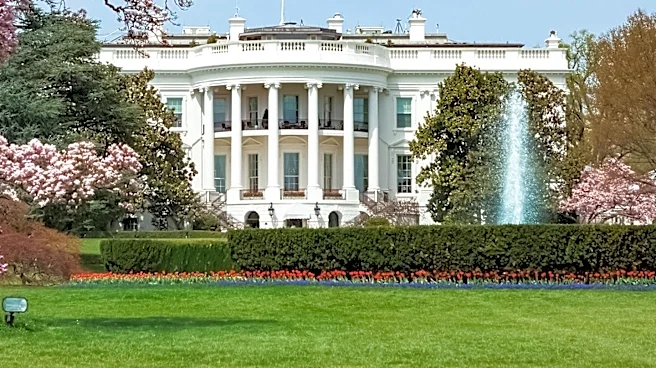
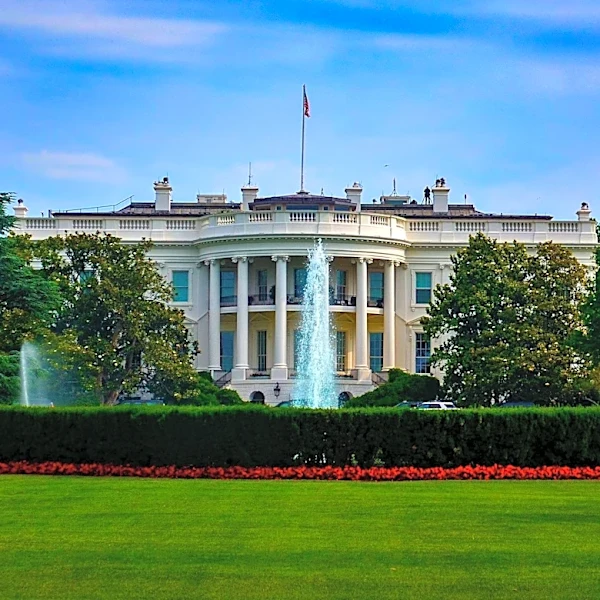
The White House has recently taken steps to reestablish its Office of Pandemic Preparedness and Response Policy (OPPR), which had been dismantled in 2025. The office, which once had 15 employees, is now staffed with only one health official and a biosecurity
specialist. This limited staffing has raised concerns among former health officials about the U.S.'s ability to effectively prepare for future infectious disease threats. The office was initially created to coordinate cross-agency responses to public health risks, but has been criticized for its slow response to major outbreaks under the Trump administration. The recent appointments of Sara Brenner and Rachel Idowu are seen as efforts to strengthen the administration's pandemic response, particularly in light of ongoing global health challenges.
Why It's Important?
The reestablishment of the OPPR is crucial as the U.S. faces potential future pandemics. Effective pandemic preparedness is vital for national security and public health. The limited staffing of the office could hinder the country's ability to respond swiftly and effectively to new outbreaks. This situation underscores the need for robust infrastructure and coordination among health agencies to manage public health crises. The appointments of experienced officials like Brenner and Idowu are positive steps, but the lack of adequate staffing may limit their effectiveness. The broader implications include potential risks to public health and economic stability if the U.S. is unable to manage future pandemics effectively.
What's Next?
The White House may need to prioritize increasing the staffing and resources of the OPPR to ensure comprehensive pandemic preparedness. This could involve recruiting additional experts and enhancing coordination with other health agencies. The administration's approach to pandemic preparedness will likely be scrutinized by public health experts and policymakers. Future steps may include revisiting and updating pandemic response strategies and guidelines to address current and emerging threats. The effectiveness of these measures will be critical in determining the U.S.'s readiness for future health emergencies.