
What's Happening?
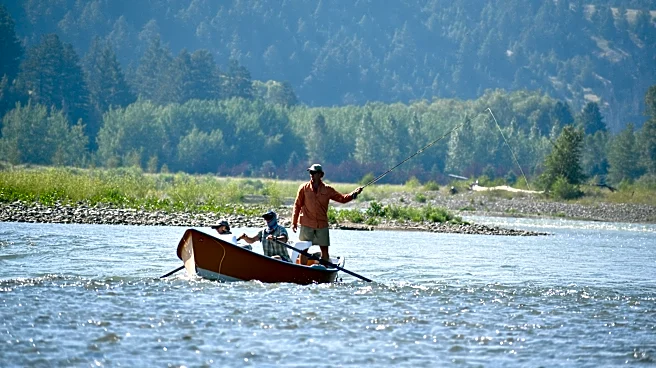
Record-breaking heat and drought conditions in the Western United States are causing water temperatures in rivers to rise to levels lethal for fish, particularly trout. As a result, wildlife officials in states like Montana and Colorado have implemented
fishing restrictions during the hottest parts of the day to protect these species. The closures, which have become more frequent over the past decade, are affecting local economies that rely on fishing tourism. The restrictions are part of a broader response to climate change-induced 'river heat waves' that threaten aquatic ecosystems.
Why It's Important?
The fishing closures underscore the broader impacts of climate change on natural resources and local economies. As rivers warm, the survival of cold-water fish species is threatened, which in turn affects the livelihoods of those dependent on fishing tourism. The situation highlights the need for adaptive management strategies to mitigate the effects of climate change on ecosystems and communities. It also raises awareness about the importance of sustainable practices in preserving natural habitats and the economic activities they support.